LOUISIANA JUSTICE ISSUES

Excessive Sentencing in Louisiana

Louisiana incarcerates more of its citizens per capita than any other state. Nearly 30,000 are in state custody. The state’s harsh sentencing laws ensure that these numbers stay high, and that many people in Louisiana’s prisons are serving excessive, disproportionate sentences.

For updated demographics, see the Louisiana Department of Safety & Corrections Demographic Dashboard.
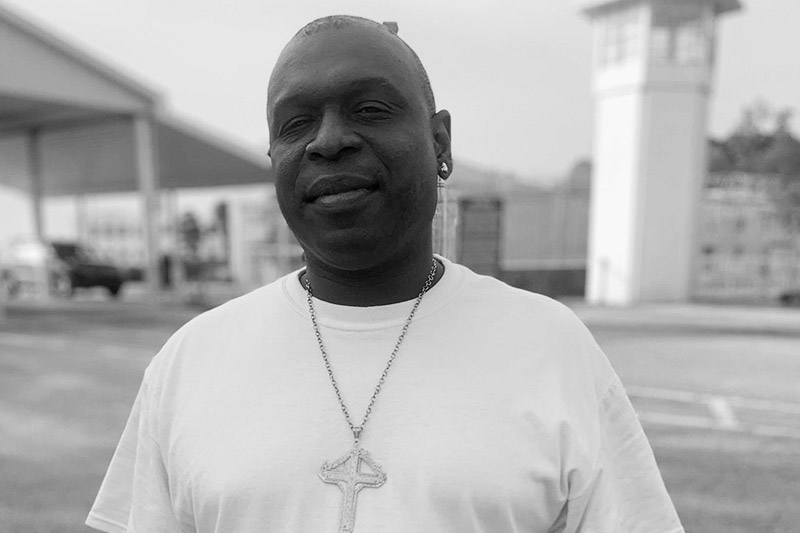
Cefus Jenkins

Louisiana imposes more life sentences per capita than any other state. There are more than 4,000 people serving life sentences, almost all of whom have no chance for parole. Over 4,000 are already over the age of 50. Nearly 75% are Black.

Most people serving life sentences were convicted of violent crimes (although nearly 100 people are serving life sentences for drug and property offenses), but Louisiana’s sentencing laws are built to impose the same sentence on any person involved in a crime, even if their role was minor or non-violent.

Because these sentences are imposed without the possibility for parole, most people who receive them never have a chance to show that they have used their time in prison to work on themselves, to make amends, to build skills that would help them succeed if given the chance, and to seek release even after decades of incarceration. They will also never be able to show a parole board the mitigating circumstances that led them to the commission of a crime, to argue their lesser role in the crime, or offer any proof that they didn’t commit it at all.

Louisiana’s habitual offender statutes are the state’s “three-strikes” laws. They allow a prosecutor to seek sentence enhancements for a person convicted of a felony offense if they have been convicted of a previous felony offense within a certain time before the current conviction. The sentencing ranges and enhancements for which a person is eligible vary depending on the criminal history of that person. A person who committed a non-violent crime can receive a life sentence as a habitual offender under Louisiana law.

Historical Roots in the Slave Code

Habitual offender laws have their origins in Louisiana’s 1806 Slave Code – which governed the conduct of enslaved people. Black people faced enhanced penalties for repeat offenses of running away, or striking a white person, including the death penalty for a third offense. 

While laws that governed white people acknowledged the possibility for rehabilitation, Black people were subjected to penalties that put them beyond redemption. These laws were adapted into the state’s first centralized criminal code in the mid-19th century as nativist fears among poor immigrants, enslaved people and free people of color destabilized white society.

Racial Disparities in Habitual Offender Sentences

As of 2025, those statutes are still used overwhelmingly more against Black people than others. Prosecutors have discretion about when they can seek habitual offender enhancements against convicted people.

  • 75% of people serving habitual offender sentences are Black
  • More than 80% of people serving life sentences as habitual offenders are Black
  • Nearly 90% of people serving life sentences for drug offenses are Black
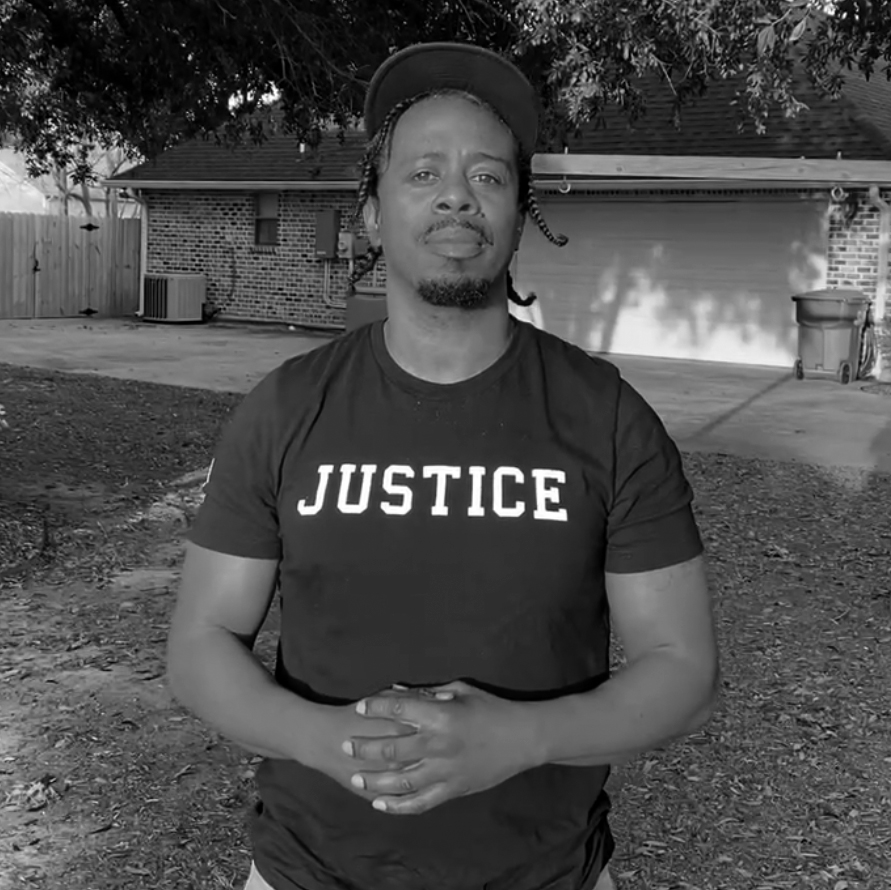
Emanual Randall

Today, nearly % of people serving life sentences received them as juveniles, often without parole. Since 2012, % of children facing life without parole sentences today are Black.

For decades, Louisiana sentences worked the same way: people were eligible for some time off their sentence automatically if they followed the rules of prison, through a system called “good time release,” and were eligible for parole if they could prove to a parole board that incarceration no longer served a purpose in their case. When prisoners were released early or “paroled” they were supervised by a parole officer in the community until the end of their sentence.

This system worked to encourage people to spend their incarceration productively, safely, and to be motivated by the hope of early release. The laws as they were also recognized that how a person responds to incarceration is to be taken into account when determining how long they should be imprisoned.

The 2024 Legislative Changes

The system changed in early 2024 when the Louisiana Legislation abolished parole for almost everyone and gutted the good time system. Other than for people sentenced to long terms in adult prison when they were children, including those sentenced to life, no one who commits a crime after August 1, 2024 is eligible to go before the parole board and seek release that way. Similarly, while certain non-violent offenses allowed for good time release after serving about a third of the full sentence, the 2024 changes now require everyone to serve at least 85% of their sentence. Legislators claimed that the purpose was not to extend sentences, but to adhere to a concept called “truth in sentencing.” While imposing this change, the Legislature did nothing to shorten sentencing ranges. 

Predicted Impact on Prison Population

By default, therefore, truth in sentencing means people doing a certain sentence will spend longer in prison for crimes committed after 2024 than for those committed before. There is no evidence that sentences being imposed in Louisiana today are shorter on the whole than those before the change in law. 

Researchers have predicted that the prison population will double by 2034 because of these changes.

The United States is the only country that sends children to die in prison by sentencing them to life without parole. By the time the Supreme Court of the United States outlawed the imposition on children of mandatory life without parole sentences, even for homicide, in Miller v. Alabama (2012), approximately 300 people sentenced as children were serving life sentences in Louisiana, the highest number per capita of any state in the country.

Supreme Court Rulings and Louisiana’s Response

After the Supreme Court declared its Miller decision applied to people already serving life without parole sentences in Montgomery v Louisiana, the state passed a law granting children the right to a parole hearing after 25 years in prison, and declared that prosecutors could not seek life without parole against children going forward other than in cases of first-degree murder.

For people already serving life without parole sentences they received as children, prosecutors elected to seek those sentences again in 1/3 of cases, contravening the Supreme Court’s order that such sentences should only be imposed on the “rare child” eligible for such a sentence.  80% of the people against whom they sought life without parole sentences were Black. Of those who have been resentenced since Montgomery, 97% have been given parole eligibility.

Take Action

Innocence & Justice Louisiana works for justice in court and at the legislature. Help fight wrongful convictions, unjust sentencing, and an unfair legal system. Join the fight today!

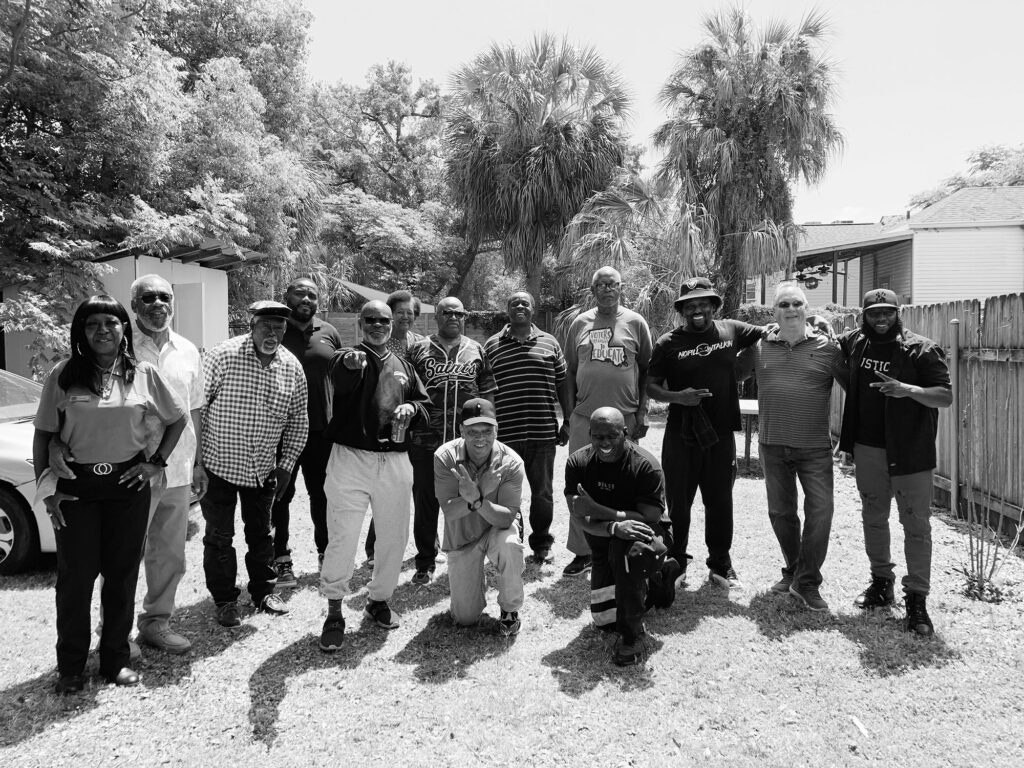
IJLA CLient Gathering

Your support powers our work, from investigators uncovering hidden evidence to lawyers relentlessly advocating in court. Give today and help bring innocent and unjustly sentenced people home.

Donate today.