Louisiana Law Enforcement Accountability Database

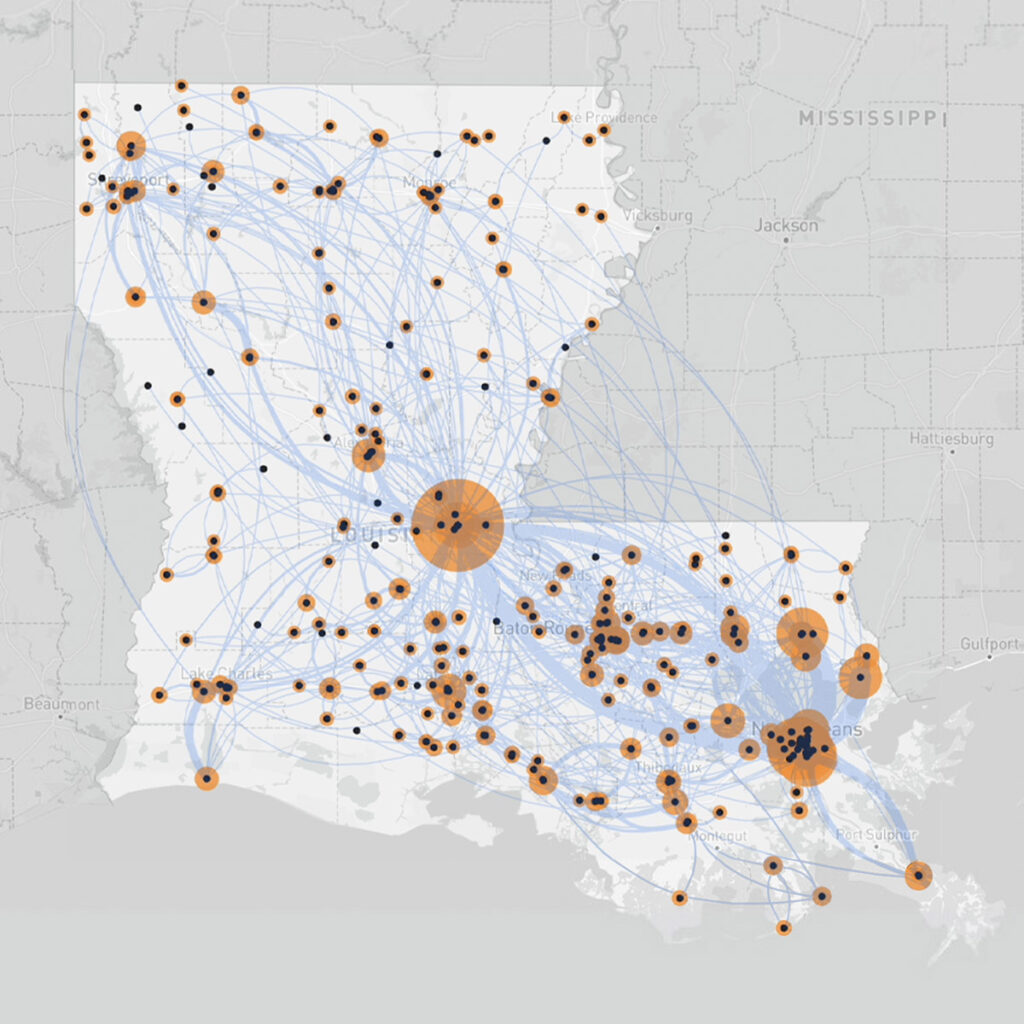
Innocence & Justice Louisiana pioneered LLEAD — the first public, statewide database of its kind in Louisiana, aggregating data from more than 600 law enforcement agencies and cataloging 40,000 complaints against police. It includes information on officer misconduct, disciplinary actions, and use-of-force incidents, offering a centralized resource for identifying patterns of behavior that undermine justice. Our data covers law enforcement agencies policing 97% of the population of Louisiana.

LLEAD.co map

Why Police Accountability Data Matters

Innocence & Justice Louisiana believes knowing who is policing our communities is a fundamental right. Hyper-local and accessible data is a vital tool that community members, elected leaders, journalists, students, and the public should be able to access to help tell the stories of their experiences with policing.

Access to policing trends and policies is especially critical in an era where federal oversight has diminished. LLEAD reflects our dedication to confronting systemic issues head-on and providing tools that foster accountability. By shedding light on the practices that lead to unjust policing, we aim to prevent future wrongful convictions and build a fairer more transparent legal system for all.

How LLEAD Works

LLEAD collects and digitizes records from a variety of sources, including court documents, internal affairs reports, personnel files, and media coverage. The database is searchable and user-friendly, enabling users to:

Investigate individual officers’ disciplinary and employment histories

Analyze misconduct trends across law enforcement agencies

Support policing policy and reform efforts with reliable, fact-based data

Overcoming Barriers to Accessing Public Information

Collecting data on law enforcement misconduct in Louisiana is challenging due to the lack of a centralized record system across the state’s 609 agencies. Most localities maintain only paper records and charge per page for access.

To overcome this, LLEAD staff has developed machine learning models that extract structured data from written narratives—turning fragmented reports into usable, searchable insights.

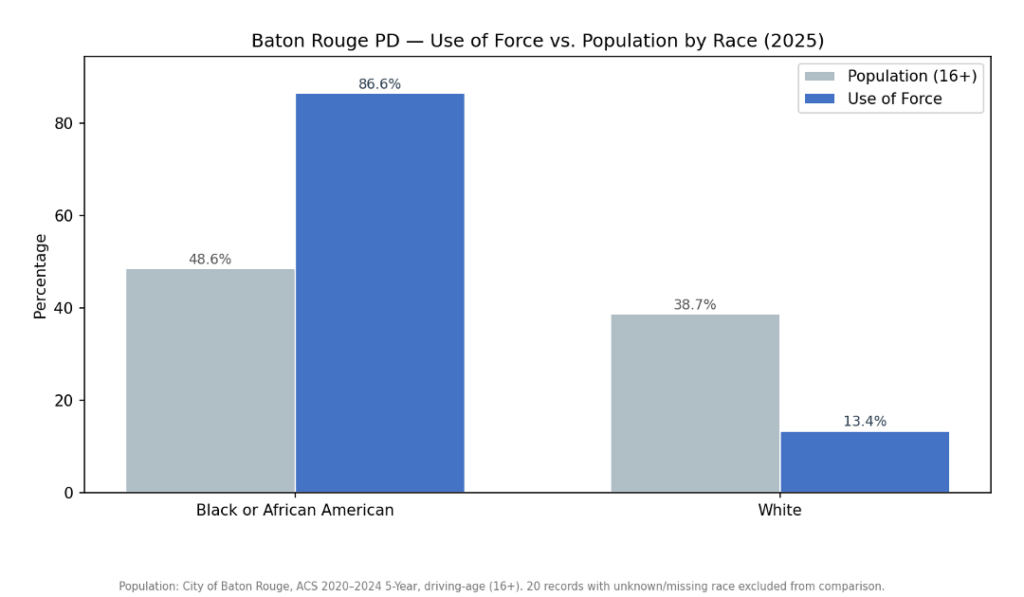
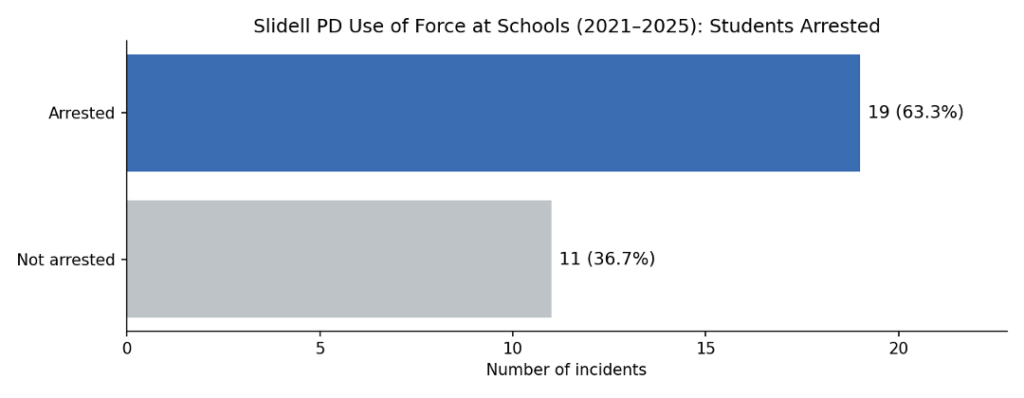
Innocence & Justice Louisiana is capable of doing even more with the data we have gathered than is evident from LLEAD, allowing us to be responsive to the specific needs of communities for information. Our LLEAD staff can produce reports on local or statewide trends about how police respond to people of certain identities, or which jurisdictions have the highest levels of misconduct, or which educational institutions employ the most former police with misconduct records. Our emerging techniques allow us to be nimble in our utility in supporting communities seeking to tell the stories of the policing they experience.

For further inquiries about research and data analysis, contact LLEAD staff at llead@justicelouisiana.org.

LLEAD Findings

New Orleans Police Department Facial Recognition Technology Quarterly Reports

This report analyzes all New Orleans Police Department (NOPD) facial recognition technology requests from Q4 2022 through Q1 2025 to assess how FRT is being used and whom it impacts. We found that nearly all FRT requests targeted Black suspects, match rates were low, and several matches produced incorrect leads. Most cases with an FRT match remain open, and the data indicates that none of the FRT-generated matches resulted in the identification of the suspect. 

Help Innocence & Justice Louisiana empower our communities to demand transparency and accountability of law enforcement.

Donate Today.