
LOUISIANA JUSTICE ISSUES

Wrongful Convictions in Louisiana

Louisiana is a hotbed of wrongful conviction. It has the second highest rate of known wrongful convictions in the nation. New Orleans has the highest rate in the country among cities. There have been documented exonerations in 17 Louisiana parishes. 

Louisiana sends innocent people to prison for longer periods than other states. It is more likely to sentence innocent people to death. It convicts more innocent children. These evils have all been done disproportionately to Black people.
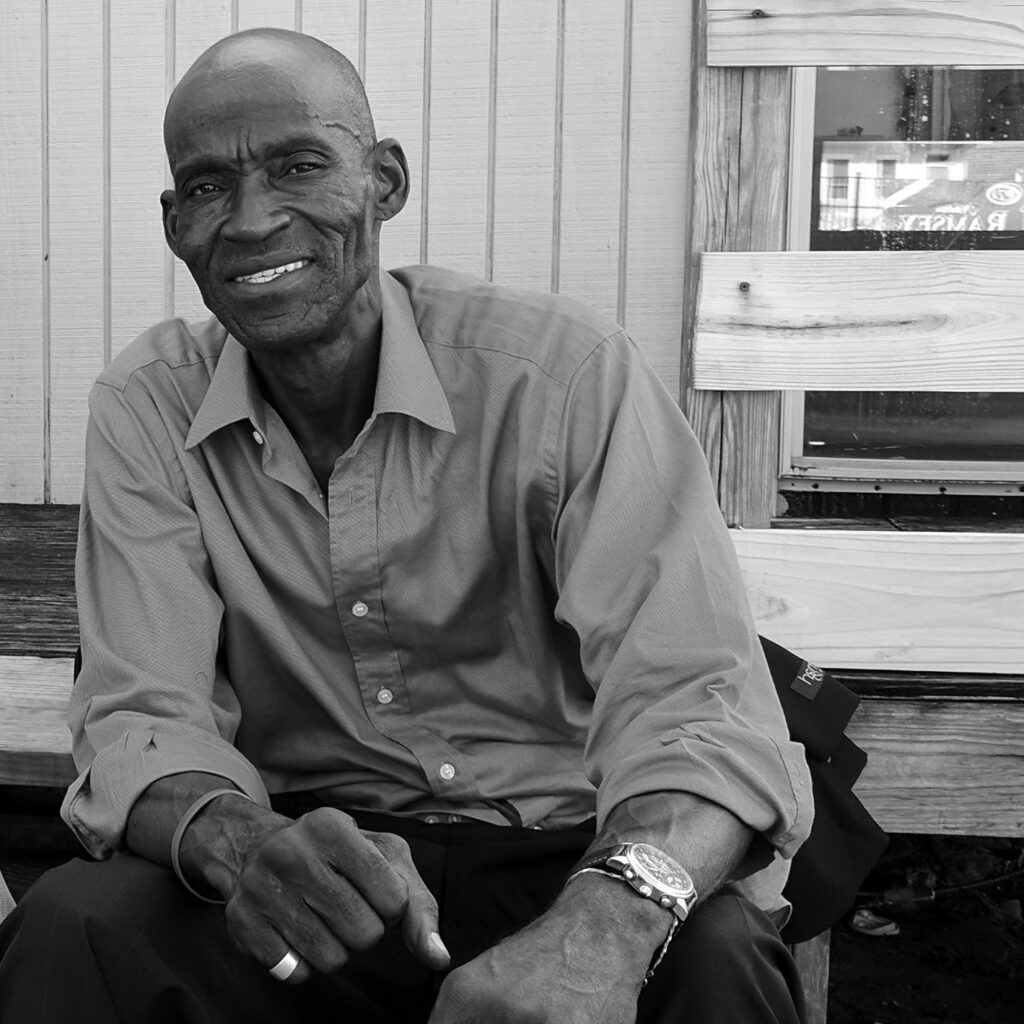
Greg Bright

Louisiana v. National Data

Louisiana

National

Average Years Wrongfully Imprisoned

18 years
9 years

Wrongful Imprisonments lasting > 25 years

30% of exonerees

8% of exonerees

Sentenced to Death

12.5% of exonerees

4% of exonerees

Child at time of crime

17% of exonerees

9% of exonerees

Harms and Race in Louisiana

Louisiana

State Population

31% Black People

Wrongful Convictions

84% Black People

Wrongful Imprisonments lasting > 25 years

96% Black People

Wrongful Death Sentences

73% Black People

Wrongful Convictions of Children

100% Black People

In Louisiana, individual prosecutors break the rules to send innocent people to prison and then suffer no consequences. When the State of Louisiana convicts an innocent person, it is twice as likely that the prosecutor has committed misconduct than the national average. In almost seventy percent of Louisiana exonerations, police or prosecutors illegally withheld evidence.

Brady Violations and Supreme Court Cases

Illegal non-disclosure of favorable evidence is known as a Brady violation because of the U.S. Supreme Court decision in Brady v. Maryland (1963). Half of all U. S. Supreme Court reversals for Brady violations are from Louisiana. In 1995, the U.S. Supreme Court described how the State of Louisiana’s arguments would lead prosecution to “descend to a gladiatorial level unmitigated by any prosecutorial obligation for the sake of truth.” In 2016, a Louisiana court of appeal recognized “the storied, shameful history of the local prosecuting authorities’ noncompliance with Brady.”

Lack of Prosecutorial Accountability

Despite this, only one prosecutor has ever been disciplined for a wrongful conviction in Louisiana. This prosecutor, Roger Jordan, committed misconduct that sent an innocent 16-year-old named Shareef Cousin to death row. Jordan’s punishment was a mere warning— if he committed more misconduct in the next year, his law license would be suspended for three months.

Historically, Louisiana has failed to adequately fund indigent defense, leaving innocent people without adequate legal representation. Often people went to trial with no investigation having been done and with lawyers who had never even visited them.

In 2005, the Louisiana Supreme Court recognized the legislature had “failed to provide adequate appropriation” to support public defense. Local public defender offices were largely funded by revenue generated through traffic tickets and fines. In 2007, the legislature passed Act 307 to create a statewide system for public defense and provided statewide funding for public defense.

93% of known wrongful convictions in Louisiana occurred before these reforms. However, the Act 307 reforms did nothing to help people already convicted under the prior inadequate system.

Louisiana is known to have wrongfully convicted fifteen children in adult court. They served years in prison. All fifteen children were Black.

In 1898, Louisiana adopted non-unanimous juries as part of broader Jim Crow measures. This allowed Black jurors to be ignored and convictions without full jury agreement, especially in cases involving Black defendants or victims.

Between 2018 and 2020, the rule was repealed for future trials by a United States constitutional amendment and a Supreme Court decision. But this gave no relief to people previously convicted under this racist law. As then-Chief Justice Bernette Johnson wrote, “Simply pledging to uphold the Constitution in future criminal trials does not heal the wounds already inflicted on Louisiana’s African American community by the use of this law for 120 years.”

Innocence & Justice Louisiana data shows that, in cases of innocent people convicted by non-unanimous verdicts, Black jurors were almost four times as likely to have had their votes discounted as white jurors.

Hurricane Katrina’s devastation included flooding evidence rooms, many of which were already in a state of disarray. This destroyed DNA evidence and other forensic evidence that could have been the simplest path to exoneration for many innocent people.

16% of all exonerations involve DNA evidence, but in New Orleans only 4% of exonerations involve DNA testing of evidence that survived Katrina.

Without DNA evidence, exoneration becomes more difficult. For example, Robert Jones could have been exonerated by DNA, but the evidence was destroyed. It took seven years of litigation including four separate evidentiary hearings and over 100 court filings to prove his innocence.

Take Action

Innocence & Justice Louisiana works for justice in court and at the legislature. Help fight wrongful convictions, unjust sentencing, and an unfair legal system. Join the fight today!

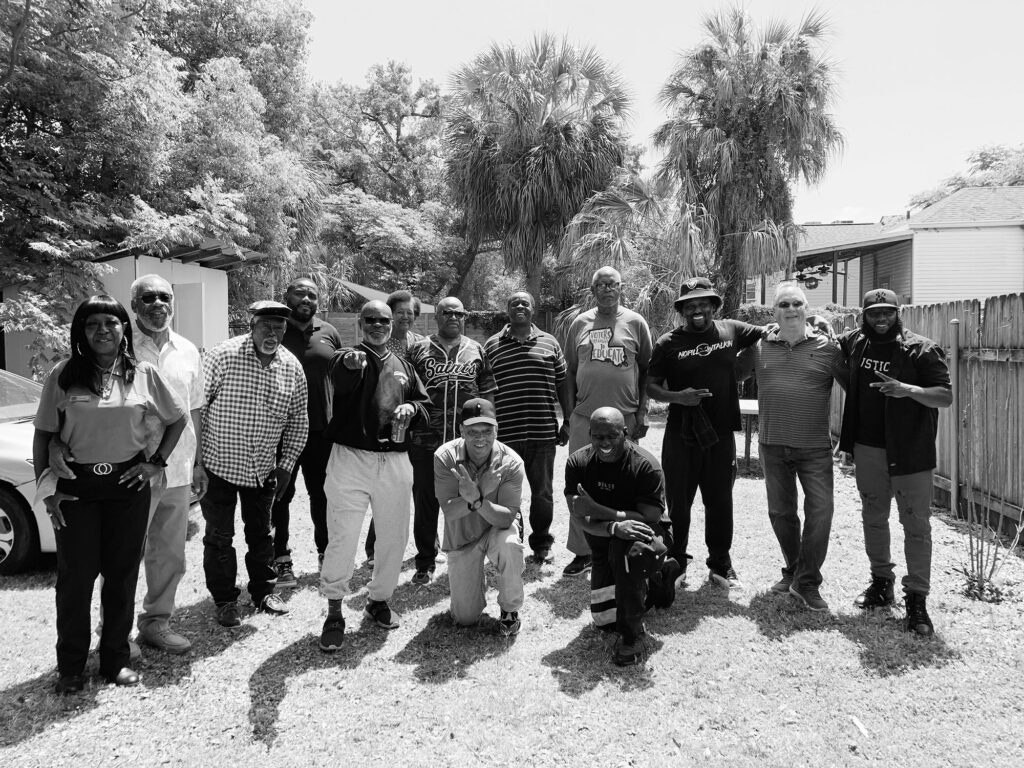
IJLA CLient Gathering

At this moment, there are innoncent people incarcerated for crimes they had nothing to do with. Help us bring them home.

Donate today.