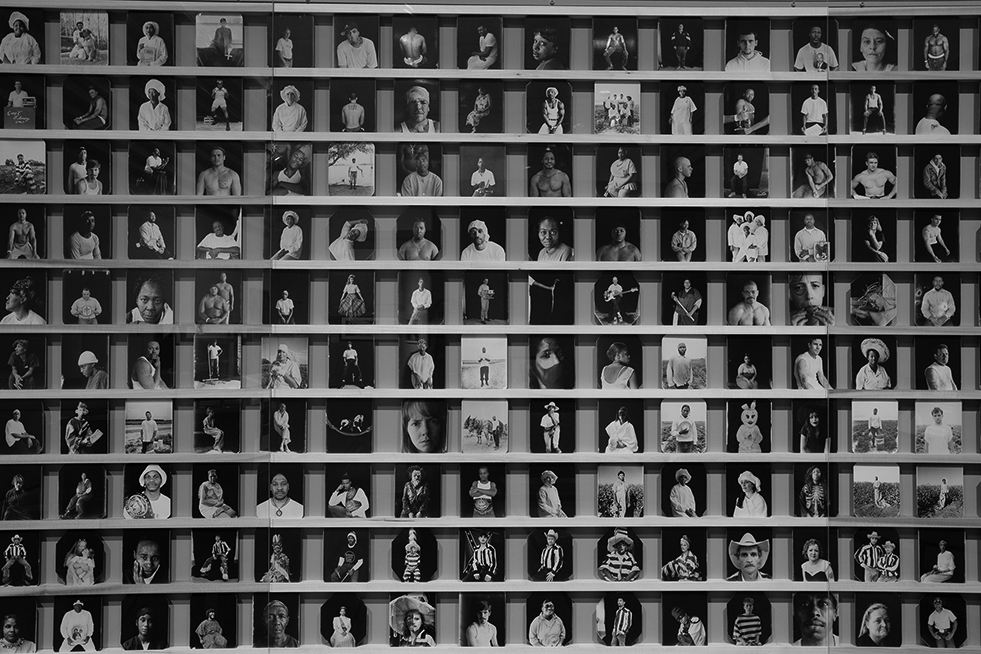
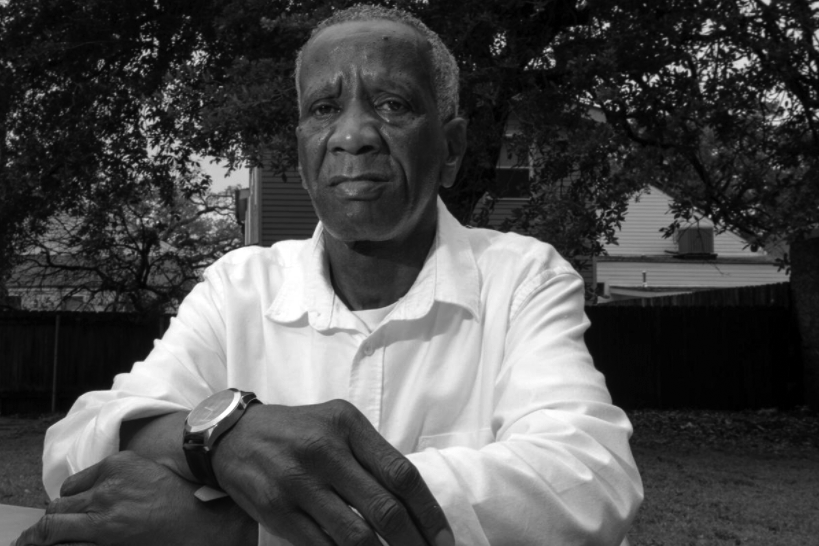
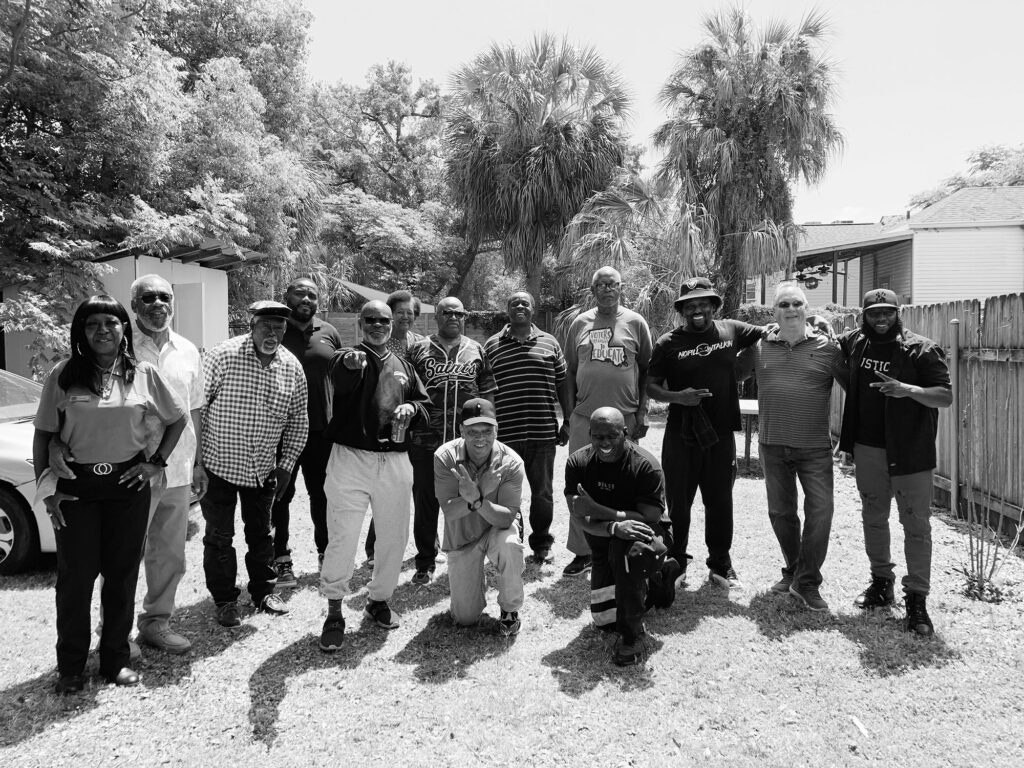
While the Civil War ended legal slavery, the Thirteenth Amendment to the Constitution allowed for forced labor for people convicted of crimes. Louisiana pivoted to the practice of convict leasing to ensure the ongoing control of Black people and a reliable source of cheap labor. To keep labor supplies flowing, Louisiana expanded criminal laws to make it easier to arrest people and enshrined in its constitution non-unanimous jury verdicts, allowing conviction even when not all jurors agreed on guilt.
These changes coincided with the state’s purchase of Angola Plantation in 1901, a consolidated plantation of over 10,000 acres that previously had served as a slave plantation and where later imprisoned people were leased to labor. The practice of convict leasing ended, forced labor was codified and the state consolidated power over its incarcerated population, almost all of which was Black.
Angola, a former slave plantation now known as Louisiana State Penitentiary, is more than 18,000 acres, and even today operates as a working farm run on the labor of over 4,000 convicted people.