RE-ENTRY SUPPORT

Freedom is just the beginning

Coming home after many years in prison can be a joyful and exciting time with family and friends, but also a time of uncertainty and anxiety. For those who have been in prison for decades, the world has moved on and there is much to learn and adapt to. Re-entry is a life-long journey that is different for every person. That’s why our re-entry support team develops personalized support plans for each freed client that is updated regularly. Our support does not have an end date. We provide support as long as our clients want and need it. 
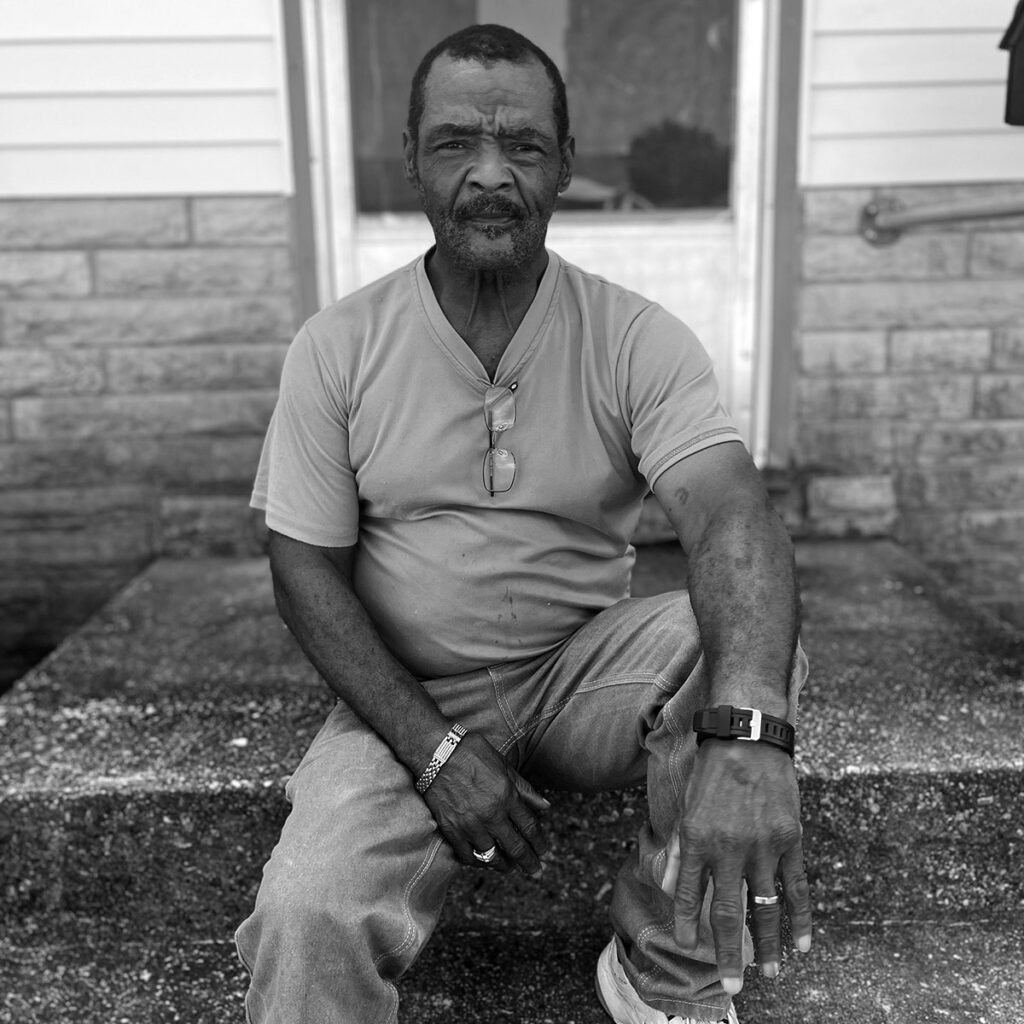
Royal Clark

OUR SERVICES

Client Services Division (CSD)

When our clients first come home, support from our Client Services Division (CSD) is comprehensive and intensive. CSD collaborates with clients pre-release to identify stable housing and benefits needs. On the day of their release, CSD meets clients at the prison gates with a welcome home bag and cell phone (with bills paid for a year) and transports them home.

After release, CSD helps clients obtain necessary identification documents, open bank accounts, enroll in Medicaid and SNAP while pursuing employment opportunities, and schedule a full medical checkup. Alongside these case management pillars, we work with them through trauma-informed practices to build coping skills, adjust to changing social norms, negotiate interpersonal conflict, and navigate an unfamiliar world.

Referrals to behavioral health and trauma-informed counseling

Vocational and job training access

Financial and digital literacy coaching

Civil legal representation and guidance

Family and community reunification

Transportation to appointments

The Re-entry House

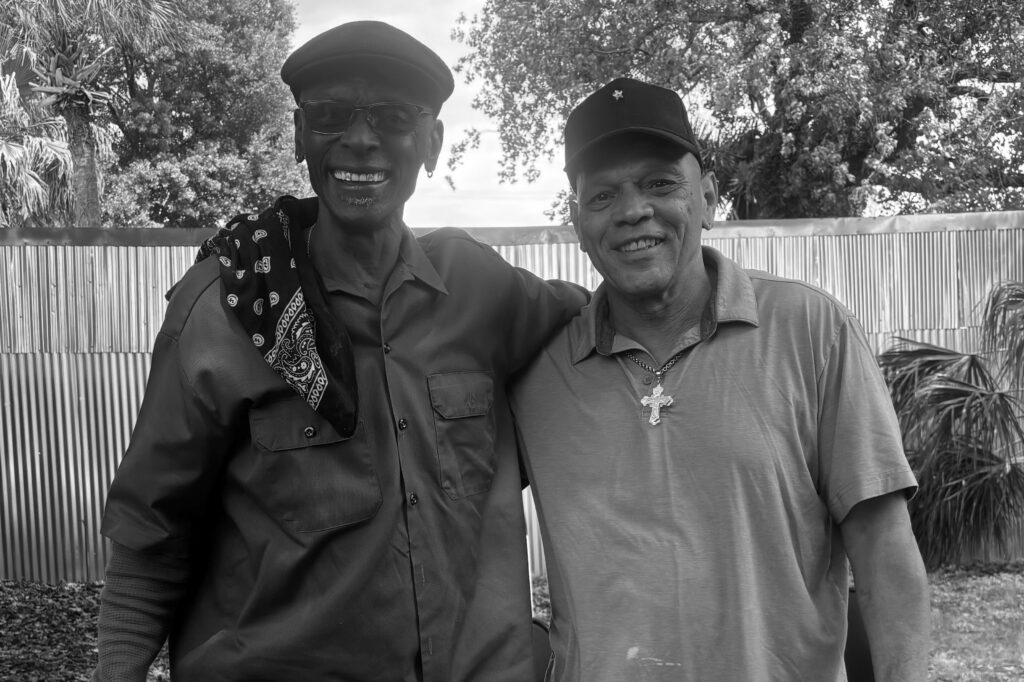
Mitchell Stevens

Stable housing is critical to successful re-entry.

Every person released from prison needs a safe place to begin and end each day. Many of our clients have spent decades in prison before being freed. Often members of their immediate family — parents and siblings — have died or moved away from Louisiana during their imprisonment, leaving them with limited short-term housing options upon release.

With the generous support of a donor, Innocence & Justice Louisiana opened our Re-entry House in 2018. It is a small home in a quiet neighborhood in New Orleans that can house two recently freed clients for 6 to 18 months, providing them with stability to begin planning for and building their future.

Our Re-entry House is fully furnished and rent-free to our clients. The residents share living and kitchen areas, plus a large backyard for enjoying the outdoors. Our Client Services Division provides regular on-site support as needed.

Wrongful Conviction Compensation

A wrongful conviction costs far more than the right to live freely. It can strip someone of family, income, education, and their health. That’s why they are entitled to compensation—and why we fight for it.

Innocence & Justice Louisiana’s successful advocacy created and then improved and defended Louisiana’s compensation statute.

No exoneree has ever won compensation without a lawyer. To guide exonerated clients through the complex process of securing compensation, we offer free representation or access to pro bono counsel whom we support. Our attorneys have argued compensation cases at all levels of Louisiana’s court system and set important precedents.

What We Do To Help Exonerees Get Compensated:

File petitions for compensation

Argue in evidentiary hearings, often over several days

Represent clients through state appeals—up to the Louisiana Supreme Court

Navigate bureaucratic hurdles to ensure prompt payment of judgment

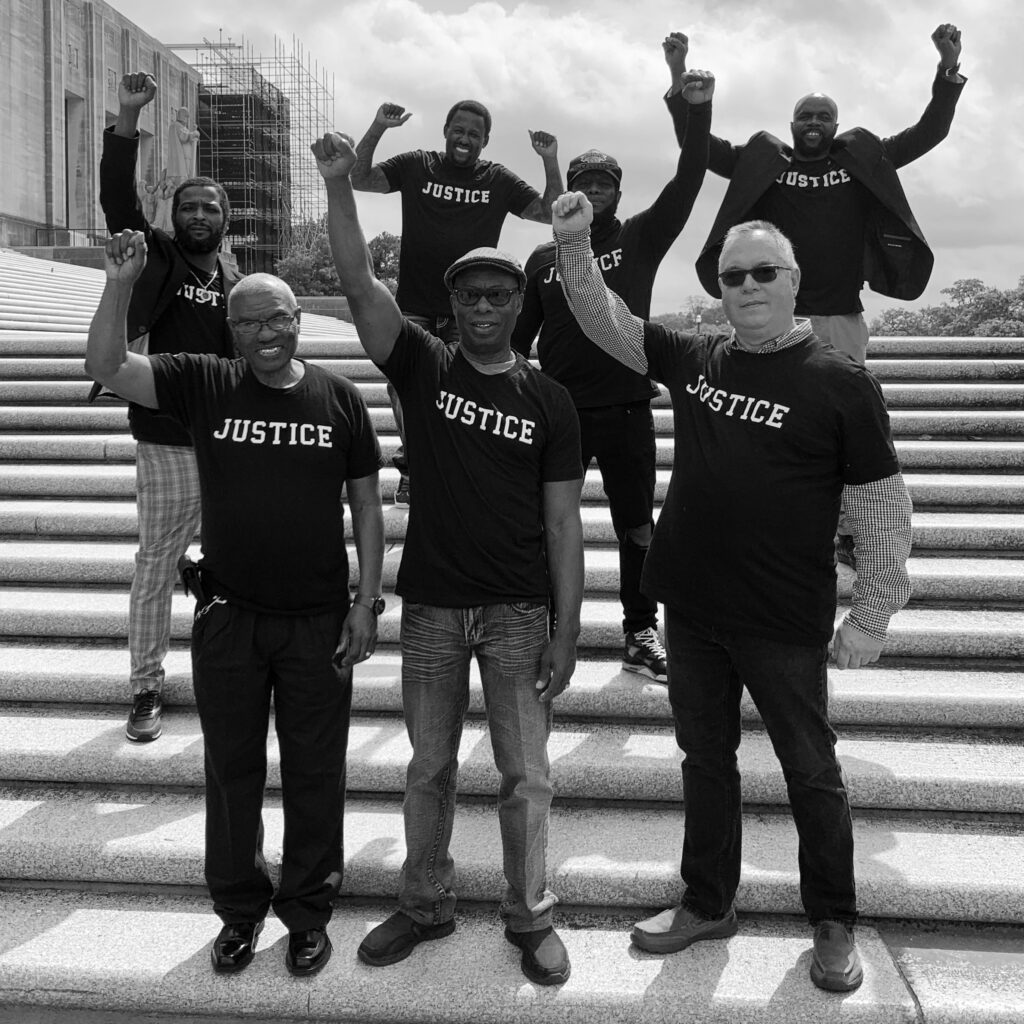
Innocence & Justice Louisiana Clients, hands raised

Why Wrongful Conviction Compensation Matters

Under Louisiana law, the maximum compensation for a wrongful conviction compensation is $40,000 for each year of imprisonment—but only up to ten years, regardless of how long a person was actually incarcerated. Exonerees may also be eligible for a one-time $80,000 lump sum for lost earnings. While limited, this compensation can be life-changing.

Yet even after exoneration, many face an uphill battle to access compensation. The process is lengthy, emotionally exhausting, and nearly impossible to navigate without legal support. Some fight for years; others never receive compensation at all.

Compensation isn’t charity. It’s justice. And justice means more than releasing the innocent—it means recognizing the harm that was done. Compensation isn’t charity. It’s a critical step toward healing, rebuilding, and restoring dignity.

In Louisiana, compensation is far below the national and regional averages. We continue to push for a law that truly reflects the lifelong impact of wrongful incarceration.

POLICY AND ADVOCACY

Learn More About Louisiana’s Compensation Laws

Re-entry from decades of incarceration is a life-long undertaking, and long-term support is core to our mission. Your support directly impacts our clients.

Donate Today.