
Since 2012, Louisiana has allowed people serving life sentences for non-violent crimes to be considered for parole after serving years in prison. That law was repealed in 2024 when the Legislature abolished parole for almost everyone. HB 439 would restore a pathway to freedom for individuals serving life sentences for non-violent crimes.
This bill recognizes a simple principle: no one should be sentenced to die in prison for a crime where no one was hurt.
THE PROBLEM
For years, Louisiana law allowed people serving life sentences for non-violent crimes to seek parole after serving substantial time in prison. This law recognized that a person who had not committed a violent offense should be entitled to demonstrate their readiness to re-enter society safely. Overall, people who are released on parole are less likely to re-offend than those who are released at the end of their sentence with no supervision.
As part of the criminal legal reform rollbacks of 2024, Louisiana eliminated parole eligibility for almost everyone, stating concerns about those who commit serious and violent crimes. But the law swept more broadly than just those people and eliminated eligibility for those who receive the most serious sentence for the least serious offenses: non-violent lifers.
HB 439 would restore parole eligibility to individuals sentenced to life for non-violent crimes, giving them a chance at freedom and allowing a parole board to carefully review their readiness to reenter society.
PEOPLE WHO ARE PROOF THAT NON-VIOLENT LIFERS DESERVE A CHANCE AT FREEDOM
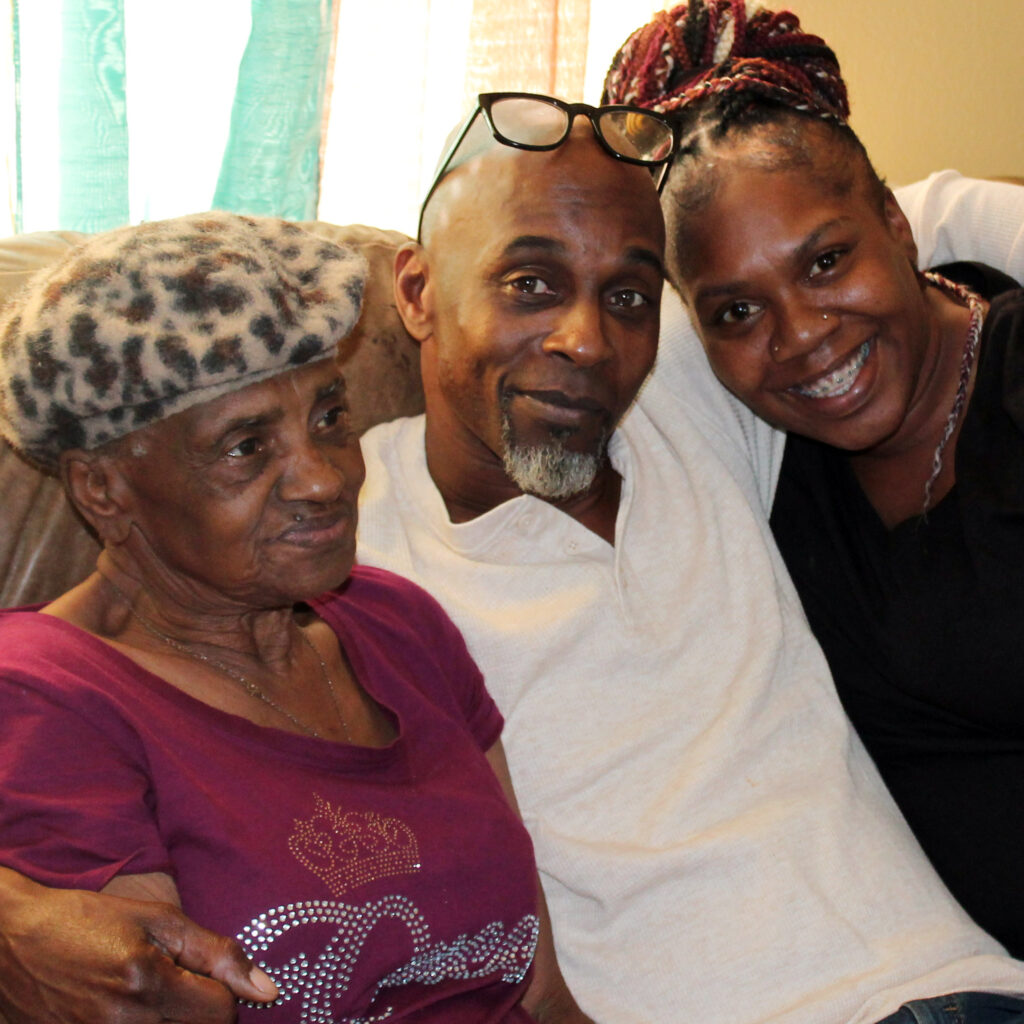
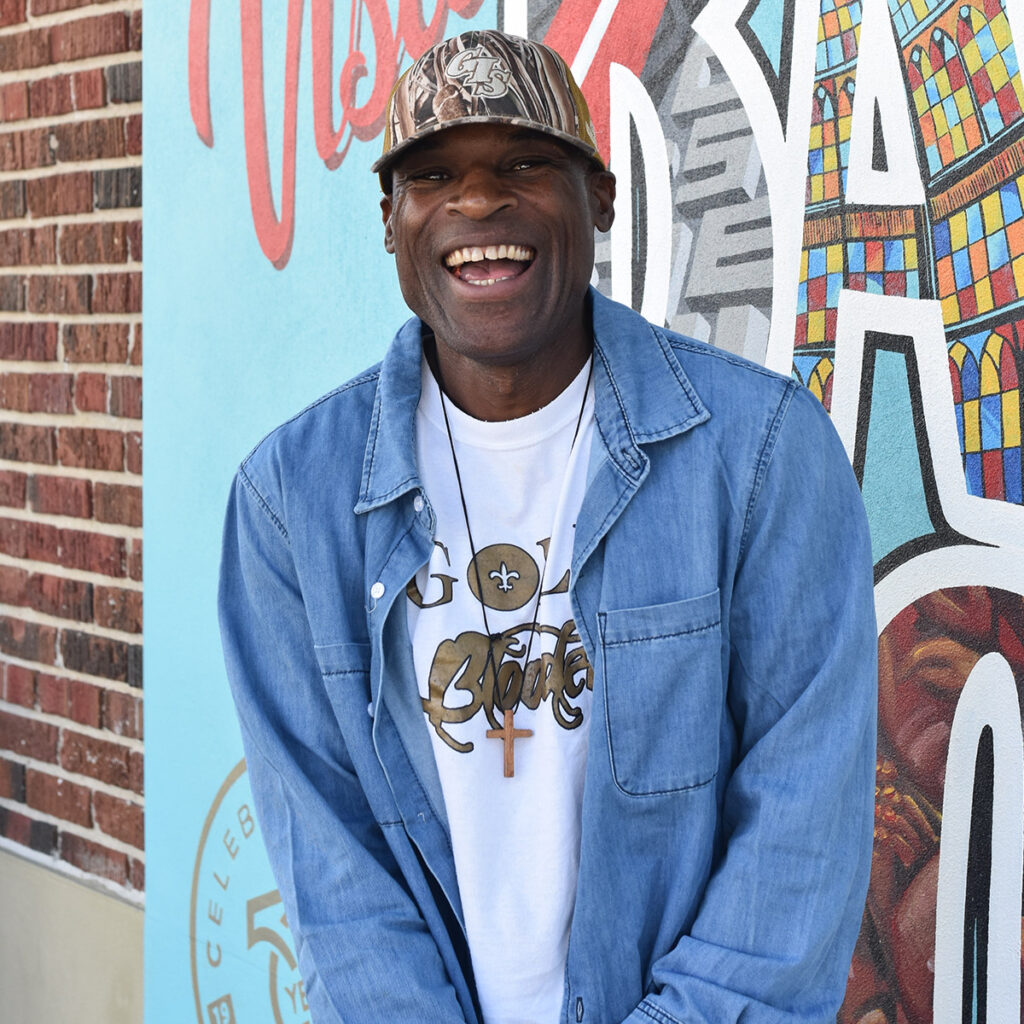
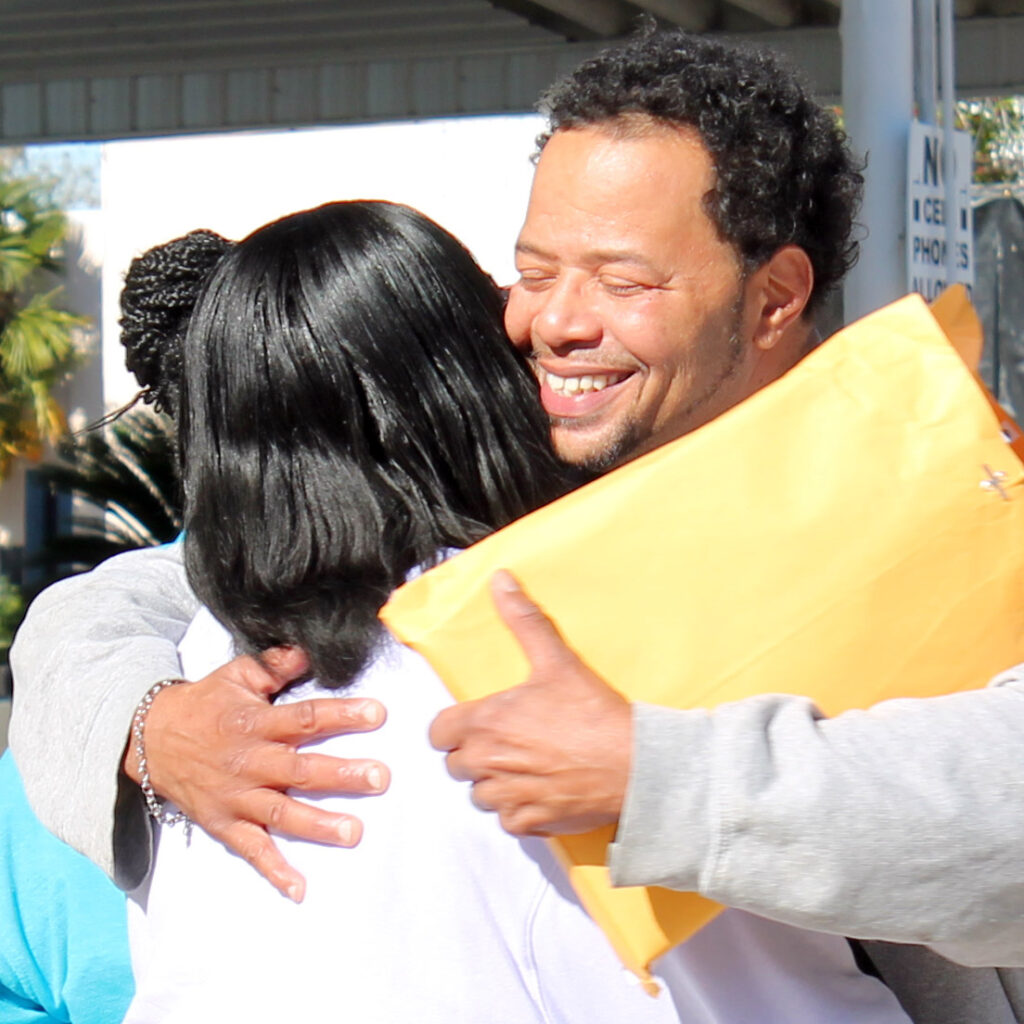
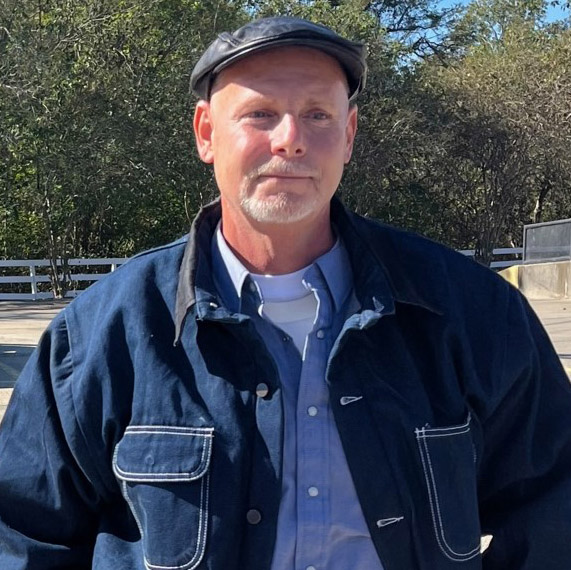
All of these men were serving life for non-violent crimes. Now they are free on parole.



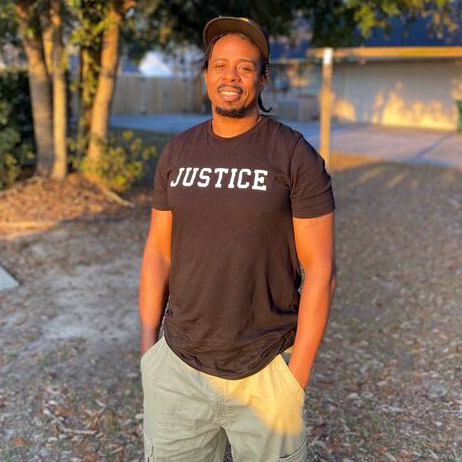
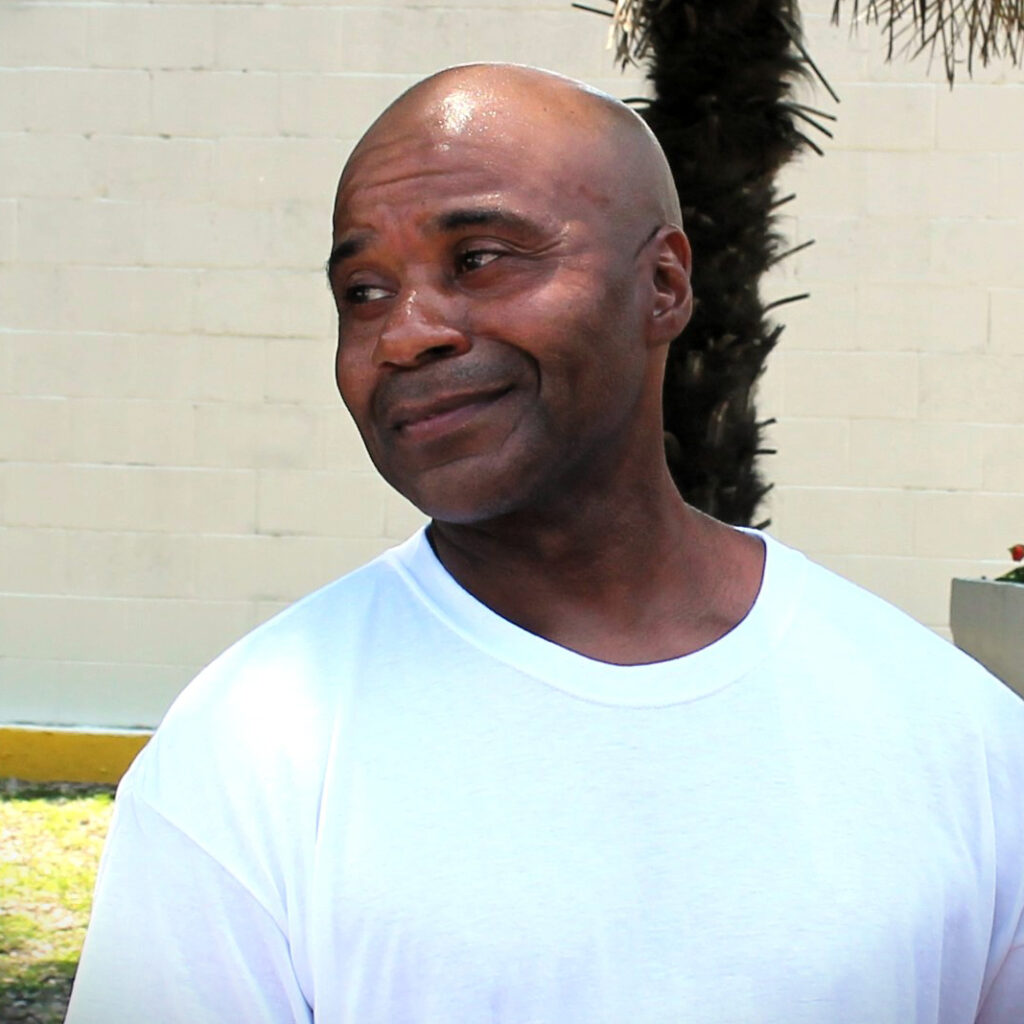
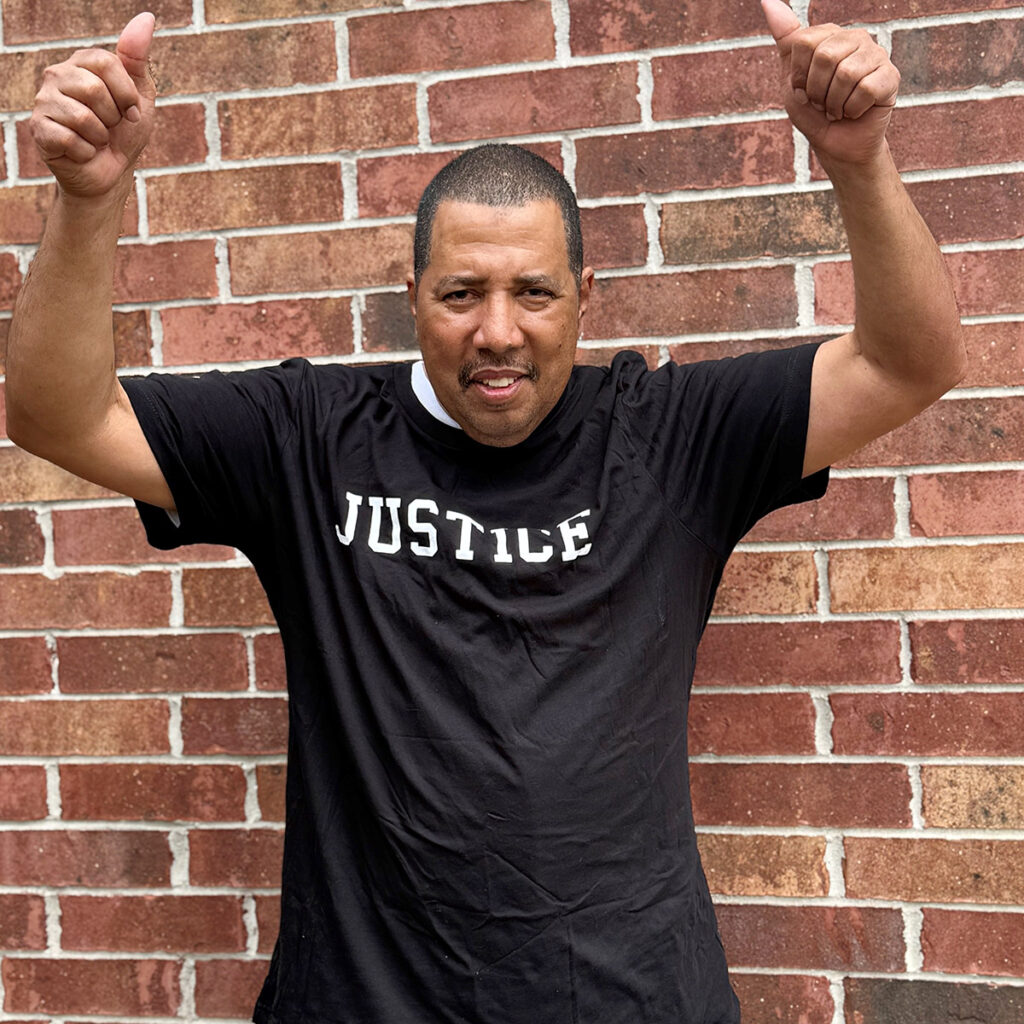
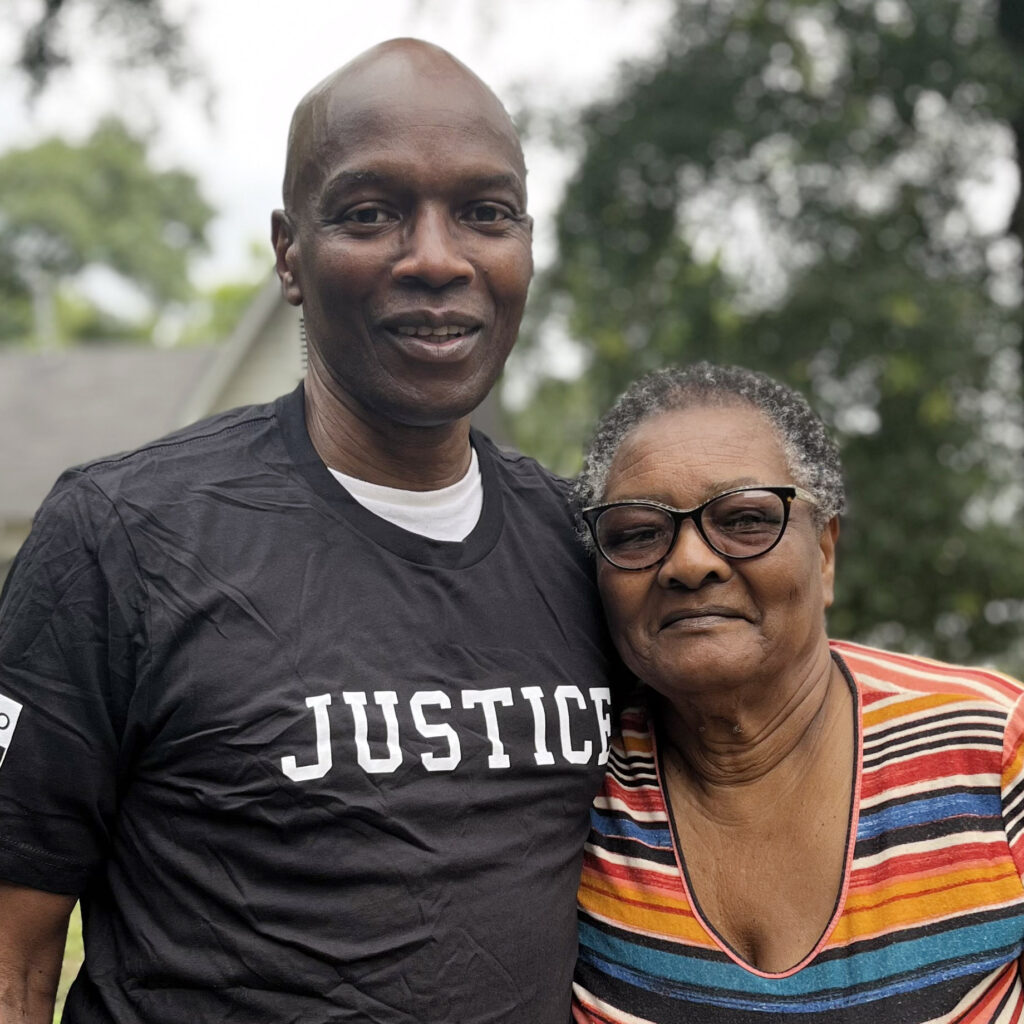

“No one should be sentenced to die in prison for a crime where no one was hurt.”
 MEET MICHAEL NELSON
Michael Nelson was sentenced to life in prison for stealing an empty brown paper lunch bag from a parked car.
Because of Louisiana’s habitual offender laws, what began as a nonviolent property offense resulted in a life sentence. Nelson ultimately spent 15 years and five days in prison before he was given the opportunity to appear before the parole board.
During that time, Nelson committed himself to rebuilding his life. He earned his GED and later completed a bachelor’s degree in Christian ministry while incarcerated. He also became a mentor to other incarcerated people preparing for reentry and completed professional certifications in arboriculture, landscaping, and pesticide application.
Over the course of his incarceration, Nelson maintained a record with no disciplinary write-ups.
In 2023, the Louisiana Board of Pardons and Parole unanimously voted to grant his release.
Today, Nelson is home with his family and building a landscaping business. He is proof that a life sentence does not mean that a person deserves to spend their life in prison. But under the current law, that is what would have happened to Michael Nelson and so many others. HB 439 restores the possibility that people sentenced to life for non-violent offenses might one day prove their readiness to be free.
For people serving life sentences for nonviolent offenses, that opportunity can mean the difference between a second chance and dying in prison.
TRACKING HB 439
Restore Parole Eligibility for Nonviolent Life Sentences
HB 439 restores parole eligibility for individuals serving life sentences
for nonviolent offenses. The bill allows the Louisiana Board of Pardons
and Parole to review cases after substantial time served and determine
whether continued incarceration is appropriate.
Current Status: Filed
Next Step: House Committee Hearing
Filed
Bill introduced for the 2026 legislative session.
House Committee
Awaiting House committee hearing and review.
House Vote
House floor consideration and vote.
Senate Committee
Senate committee hearing and review.
Senate Vote
Full Senate consideration.
Governor
Awaiting signature or final action.
Join Us in Taking Action: Because Freedom is Only the Beginning
Ask them to support HB 439.
Find Your Legislator Here