
A string of rapes were being committed in Baton Rouge in the late 1970s and early 1980s. One of them involved the daytime attack of a woman on December 9, 1982. The victim answered a knock at her door. A Black male handed her a flyer, then forced his way into her home. The victim thought he was the same man who’d knocked on her door a month earlier. The man produced a knife from a briefcase and forced the victim into an upstairs bedroom, where he raped her twice. During the crime, the victim’s friend entered the home and called for her. The perpetrator covered the victim’s mouth and stabbed her twice. The man left the room and threw the friend against a wall. A postal worker knocked on the victim’s door, causing the perpetrator to dress and flee the scene. The victim described the perpetrator to the police and helped them with a composite sketch. This sketch, however, did not resemble another sketch produced after police spoke to the victim’s friend.
A confidential informant contacted police and named Archie Williams as a suspect. After the case was featured on television, including a display of one of the composite sketches, police received dozens of tips. None resulted in an identification. The victim was shown several photographic lineups, but could only say that Mr. Williams resembled the perpetrator and told police to look for someone similar. The next day, she was shown yet another photographic lineup that contained a different picture of Mr. Williams. She identified him from this photo array and then again from a physical lineup. Another victim viewed this same live lineup and identified another man. The state contended that Mr. Williams was a serial rapist and used identifications from other victims at trial. A jury convicted Mr. Williams of aggravated rape, attempted first degree murder, and aggravated burglary in April 1983. He was sentenced to life.
Mr. Williams maintained his innocence and reached out to the Innocence Project in 1995. The state spent years opposing his requests for DNA testing of the rape kit in this case; even testing another victim’s rape kit secretly to forestall this case. Mr. Williams was excluded. After ten years of litigation, Mr. Williams was granted the right to testing. The results, however, were inconclusive.
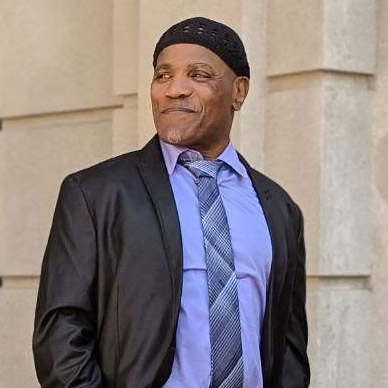
Innocence & Justice Louisiana worked with Innocence Project (NY) to fight for access to the FBI’s national fingerprint database. Two experts had separately identified nine fingerprints from the scene that were suitable for a search in the database, but Mr. Williams had no statutory right to access it. After much litigation, the state agreed to enter the prints into the database, which resulted in the identification of another man who’d committed similar sexual assaults in the area. Innocence proven, Mr. Williams was exonerated and released in March 2019, over 36 years after his wrongful conviction.