
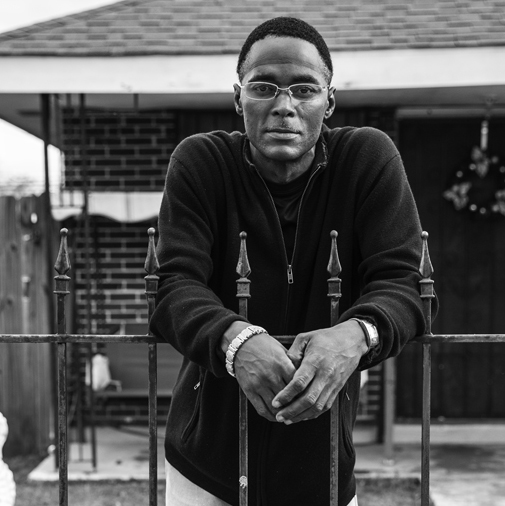
After the Super Bowl on January 29, 1995, Murray Barnes drove to a New Orleans bar with his cousin, Freddie, and a friend, Kevin. Barnes had won money in the bar’s football pool and received his winnings in two envelopes. As the men were leaving the bar, Mr. Barnes addressed a woman walking down the street as Chris. Freddie claimed that the same woman had cased the bar earlier that night. Two men, whom Freddie claimed he had seen with the woman earlier, accosted the group. One of the men produced a gun and started shooting. Mr. Barnes ran into the bar; Kevin and Freddie followed. The assailants fled on foot, firing two more shots into the air. Mr. Barnes had been shot and collapsed in the bar. Kevin and Freddie left in Mr. Barnes’s truck, later returning to the scene with Mr. Barnes’s aunt.
Freddie told police that he could identify the shooter and the woman involved. Mr. Barnes had been shot three times and died. Only one of the envelopes containing his winnings was found. No murder weapon was ever found. Police had no leads until receiving a tip naming Dan Bright, Christina Davis, and her cousin Tracey Davis. Police compiled photographic lineups, from which Freddie identified Dan Bright as the shooter and Christina Davis as the woman at the bar. Though the FBI got involved in the investigation, no physical evidence was found that connected Mr. Bright to the murder. A jury convicted Mr. Bright of first degree murder in July 1996 and he was sentenced to death. On appeal, the sentence was reduced to life and the conviction changed to second degree murder.
Innocence & Justice Louisiana investigated Mr. Bright’s case with the Louisiana Crisis Assistance Center. Mr. Bright’s trial attorney had provided woefully inadequate representation, failing to investigate and showing up to court drunk. The state withheld FBI documents that named the real killer and evidence impugned the credibility of the state’s key witness. Mr. Bright sought to learn the killer’s identity through Freedom of Information Act requests, but the government would not reveal his name. A federal judge eventually ruled that Mr. Bright had a right to know the real killer’s identity – Tracey Davis. Even after the Orleans Parish Criminal District Court received this information, it denied Mr. Bright post-conviction relief. In May 2004, the Louisiana Supreme Court vacated the conviction and ordered a new trial, citing prosecutorial misconduct and the state’s suppression of exculpatory evidence. In June 2004, the state dismissed the charges and Mr. Bright was exonerated.
He’d spent over 9 years, some of it on death row, in prison for a crime he did not commit. Mr. Bright passed away in June 2025.
Photo credit: Adrienne-Battistella