
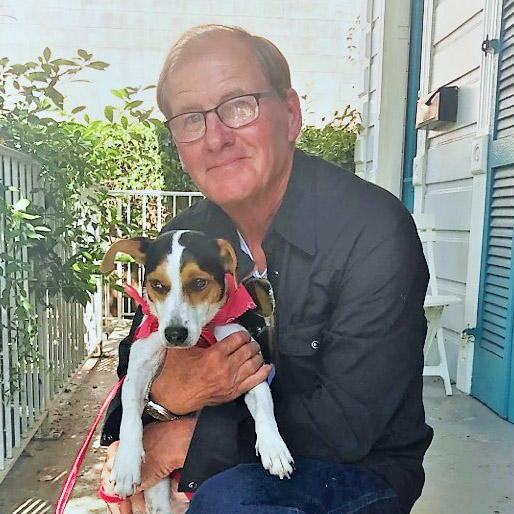
During Thanksgiving week of 1980, William Hines and Rodney Robinson were murdered in New Orleans. The circumstances of their deaths were nearly identical. Both victims were gay men who appeared to have had consensual sex with the man who stabbed each to death. Detective John Dillman, now known to have been involved in several other wrongful convictions, led the investigation. Police, under pressure to solve the case, followed a lead that did not fit the evidence of either crime scene, which led to the arrest of John Floyd. Mr. Floyd had been drinking at the time of his arrest – at least one of those drinks was bought for him by police. Mr. Floyd, under coercion, wound up confessing. His confessions contradicted the facts known to police and the evidence at the crime scenes.
No physical evidence linked Mr. Floyd to the crimes and no witnesses placed him at either scene. The confessions were so unreliable that the trial judge, after a bench trial, acquitted Mr. Floyd of the Robinson murder. Mr. Floyd’s trial counsel presented testing results that established that Mr. Floyd was not the source of seminal fluid in the Robinson case and that hairs in Mr. Hines’s bed came from a Black male; Mr. Hines was white, as is Mr. Floyd. Witnesses reported seeing a Black male running from the hotel scene immediately after the crime. Still, based on a coerced confession from a particularly vulnerable defendant, Mr. Floyd was convicted of second degree murder in January 1982 and sentenced to life.
Innocence & Justice Louisiana’s investigation revealed that the state hid much evidence from Mr. Floyd and his trial attorney, including forensic evidence. Fingerprints from a Mr. Robinson’s car and a glass found in his hotel room and from a bottle shared by Mr. Hines and the perpetrator did not belong to Mr. Floyd; this evidence was never disclosed by the state. DNA testing of hairs from Mr. Robinson’s bed excluded Mr. Floyd and were found to be consistent with coming from the victim and a Black male. The state also suppressed a statement from Mr. Hines’s friend, who reported to police that Mr. Hines tended to favor Black partners.
Considering all of this new evidence together, the federal district court found that the state had violated Mr. Floyd’s rights by withholding exculpatory evidence. After years of litigation, Mr. Floyd was released in June 2017. The state continued to fight to have his conviction reinstated, but Mr. Floyd was finally exonerated in November 2018, over 36 years after his wrongful conviction.