
On June 3, 2026, Governor Jeff Landry vetoed Senate Bill 125, a modest, unanimous bipartisan bill that would have raised Louisiana’s wrongful conviction compensation cap from 10 years to 15 years.
SB 125 did not create unlimited payouts. It did not change who qualifies. It did not weaken Louisiana’s standard for proving innocence. It simply recognized five more years of compensation for people who lost far more than that to a wrongful conviction.
The bill passed unanimously at every major step of the legislative process: 36-0 in the Senate, 98-0 in the House, and 32-0 on Senate concurrence. Despite that full bipartisan support, Governor Landry vetoed the bill.
THE IMMEDIATE HARM OF THIS VETO
This fall, compensation payments are set to stop for several exonerees and families because they have reached Louisiana’s current 10-year cap, even though many spent decades wrongfully imprisoned. They are:
Greg Bright, who lost more than 27 years to wrongful conviction;
Dennis Brown, who lost more than 20 years;
Glenn Davis, who nearly 15 years;
Larry Delmore, who lost over 15 years;
Doug DiLosa, who lost 14 years;
Henry James, lost 30 years;
Willie Jackson, who lost 17 years;
Anthony Johnson, who lost more than 22 years
Rickey Johnson, who lost 25 years; and
Earl Truvia, who lost more than 27 years.
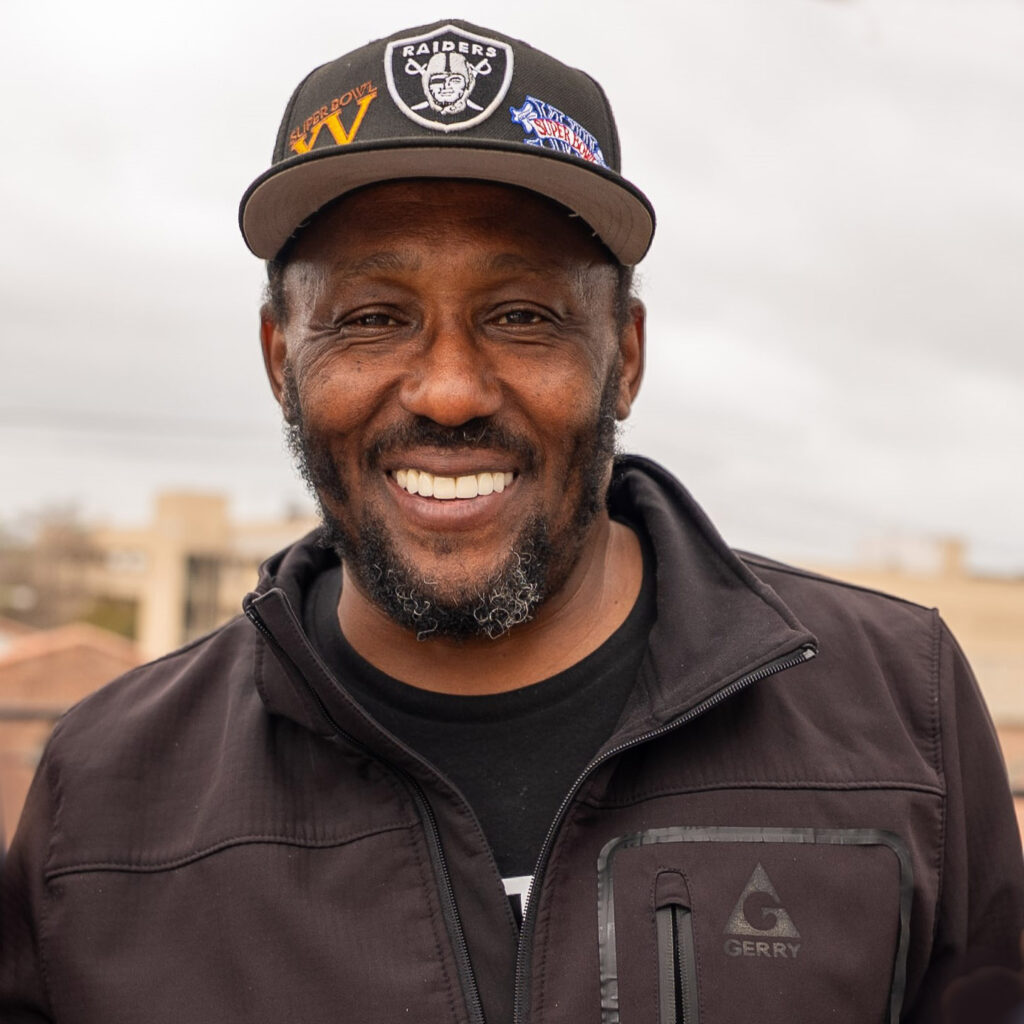

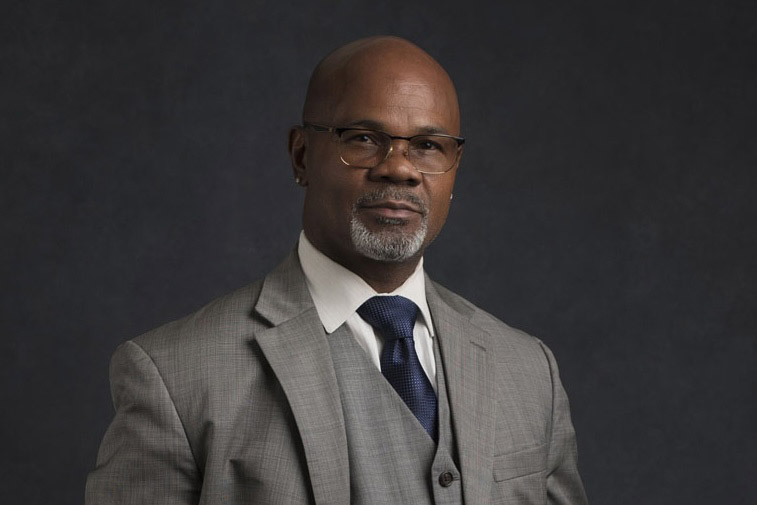
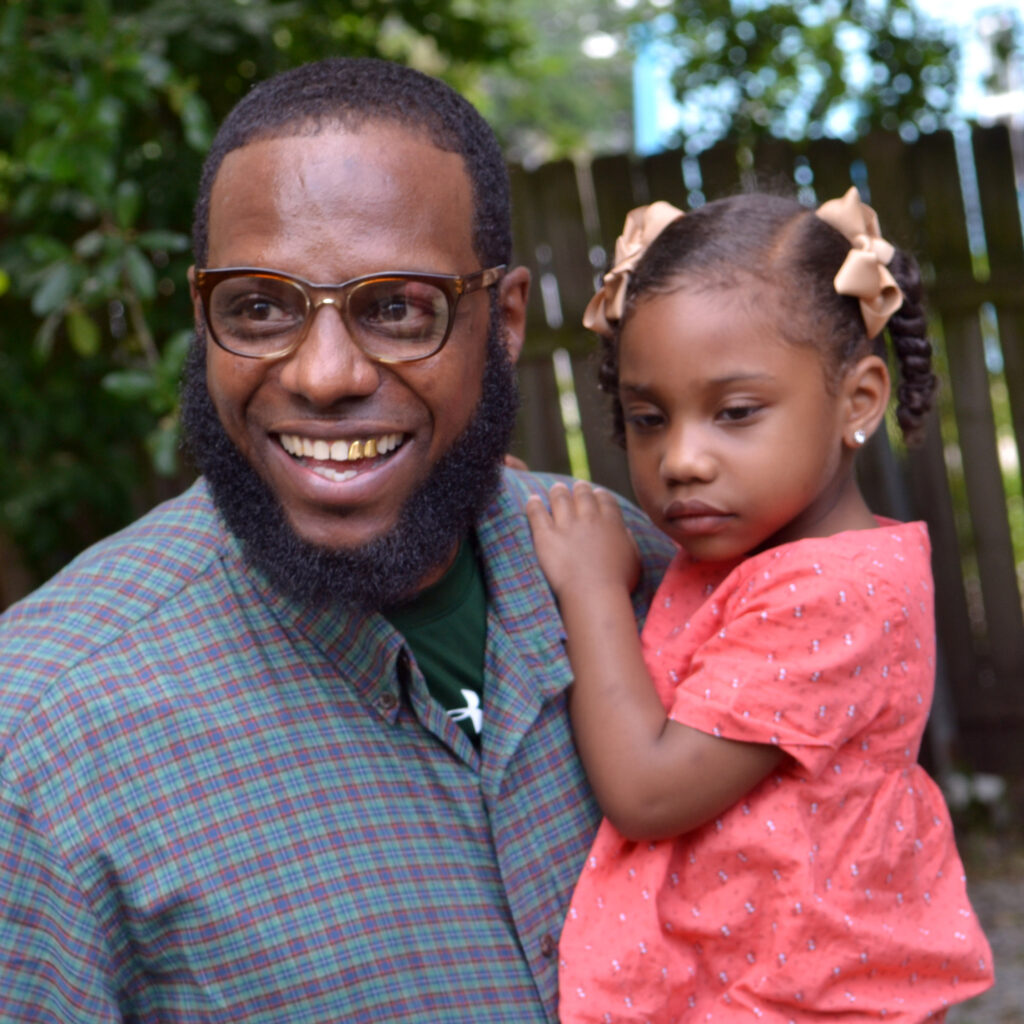
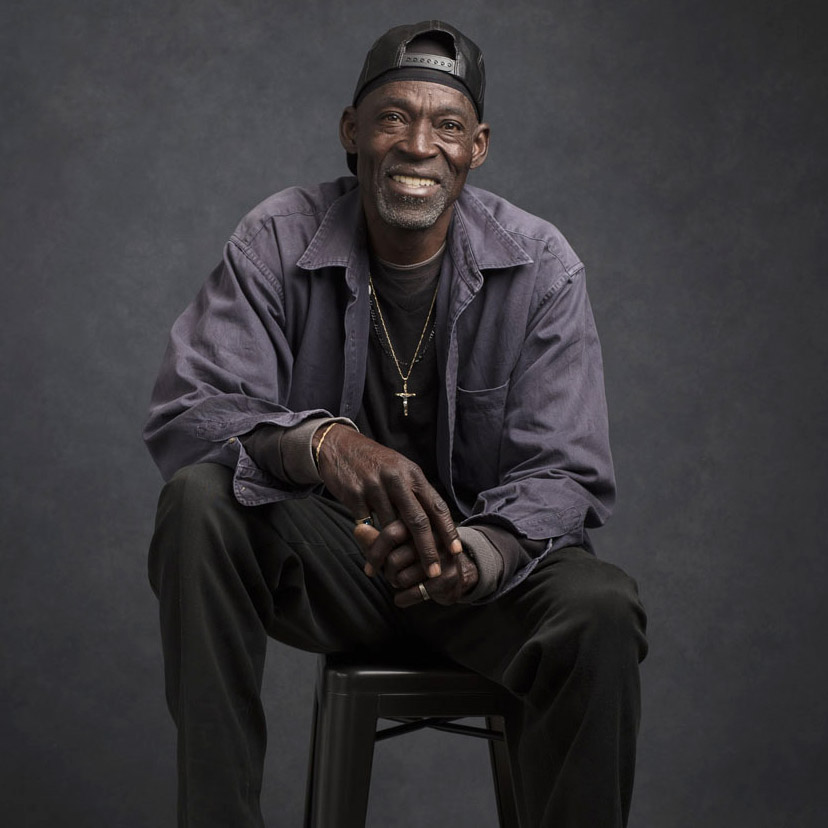
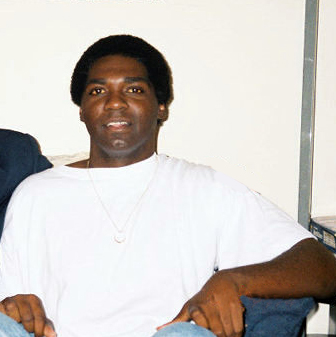
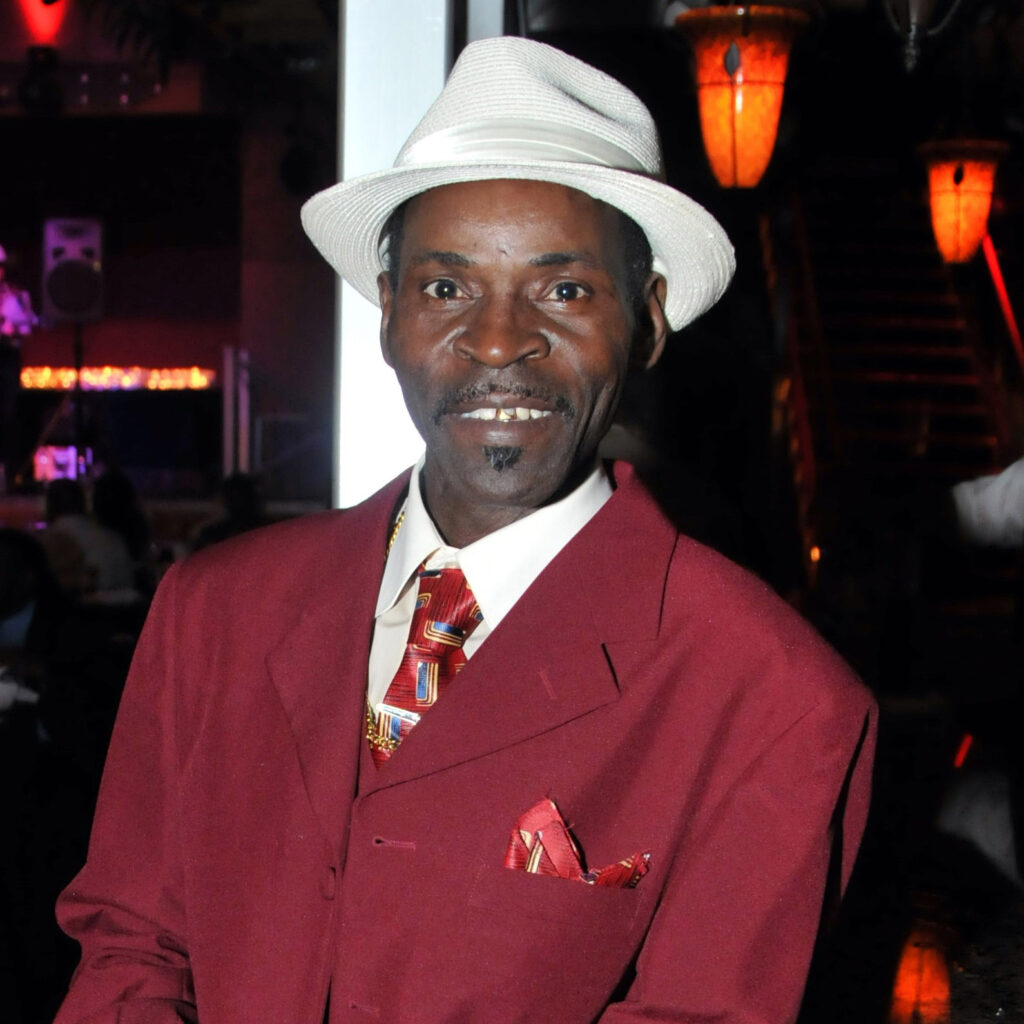
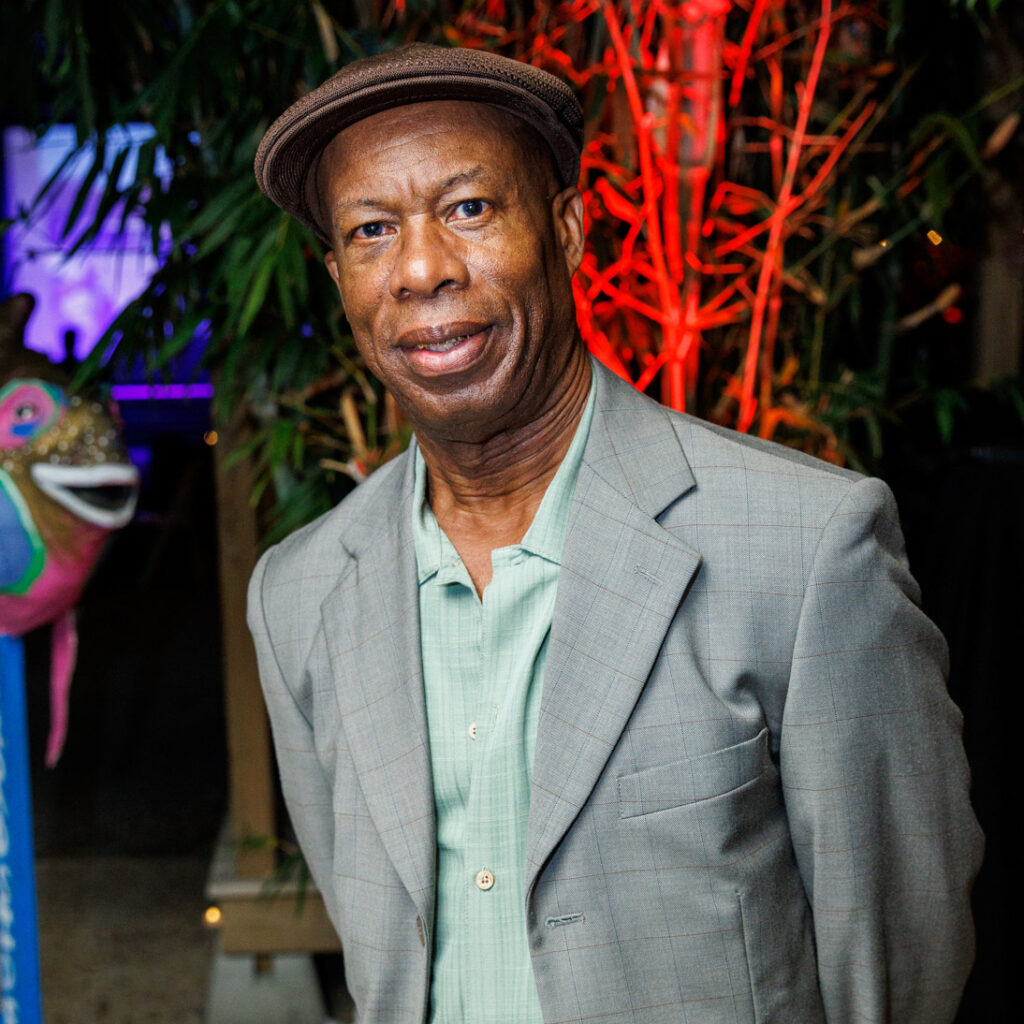
“No one can give back lost years. But Louisiana can stop cutting justice short.”
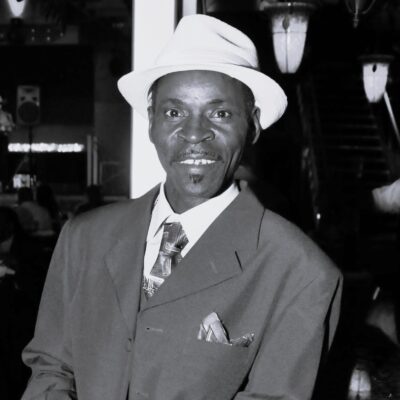 MEET HENRY JAMES
Henry James spent 29 years, 10 months, and 27 days imprisoned for a crime he did not commit. In 2011, DNA testing, which did not exist when he was arrested in 1981, proved that he had been misidentified by the single eyewitness in the case. At the time of his release – at age 50 – Mr. James had been wrongfully imprisoned longer than any other innocent person in Louisiana.
The State of Louisiana agreed in 2012 that Mr. James was innocent and should receive compensation from the Innocence Compensation Fund. Because he was wrongfully convicted based on a mistaken eyewitness identification – and not because of provable misconduct by prosecutors or police – he could not sue the State of Louisiana. Compensation from the Innocence Compensation Fund remains the only financial assistance available to Mr. James after nearly 30 years of wrongful imprisonment.
Since his exoneration, Mr. James has worked multiple jobs to make ends meet. He has worked in a nursing home and supported himself with his woodworking. Yet, at age 65 Mr. James is unable to retire because for 30 years he contributed his labor to the prison system for 4 cents/hour. He was not able to pay into Social Security or build a savings.
Last year, Mr. James reached the current 10-year cap on his wrongful conviction compensation. Under the current law, he will receive no more compensation for the nearly twenty additional years he was wrongfully imprisoned.
Unless SB 125 is passed into law, Mr. James and 11 other innocent people who were wrongfully imprisoned for more than a decade will not receive any additional compensation this year for the years they served. Thus, I&JLA strongly supports the passage of this bill.
THIS VETO KEEPS LOUISIANA BEHIND
Louisiana has the highest incarceration rate in the world. It has one of the highest rates of wrongful convictions in the United States. And, Louisiana imprisons the wrongfully convicted longer than most other states. Even if the cap were raised to 15 years, Louisiana would still trail many states, being one of only a few states with a year cap on wrongful conviction compensation, while 29 states and Washington, D.C. have no year cap at all. By vetoing SB 125, Governor Landry kept Louisiana behind the national standard and left innocent people uncompensated for years, even decades, of wrongful imprisonment.
Of the 88 people exonerated in Louisiana, twenty-six served over 25 years. Eight served over 35 years; three over 40 years. Only two states – Massachusetts and Pennsylvania – have imprisoned more innocent people for longer than 40 years.
Just 39 people have been awarded compensation under Louisiana’s Wrongful Conviction Compensation law. This is because innocent people whose convictions have been vacated and dismissed must prove their factual innocence by clear and convincing evidence in a separate legal proceeding. The bar for proving factual innocence is high, making it difficult for many wrongfully convicted individuals to receive compensation. Of those 39, only 8 served fewer than 10 years. That means, under the current law, 31 innocent people will not be compensated for all the years they lost to a wrongful conviction. In fact, of the 763 years collectively served by those 39 men, the current law compensates less than half of the years lost.
TRACKING SB125
Expand Compensation for Wrongfully Convicted Louisianans
Louisiana currently caps compensation at 10 years. SB 125 would raise
that cap to 15 years for people wrongfully convicted and later exonerated.
Current Status: Vetoed
Filed
Bill introduced for the 2026 legislative session.
Committee
Unanimously passed Judicary C Hearing.
Senate Vote
Full Senate consideration.
House Committee
Unanimously passed House.
House Vote
House floor consideration and vote.
Governor
Awaiting signature or final action.