In Loving Memory of Rogrick Van Dyke
HB399, currently pending in the legislature, would have given him a chance at freedom before he died.
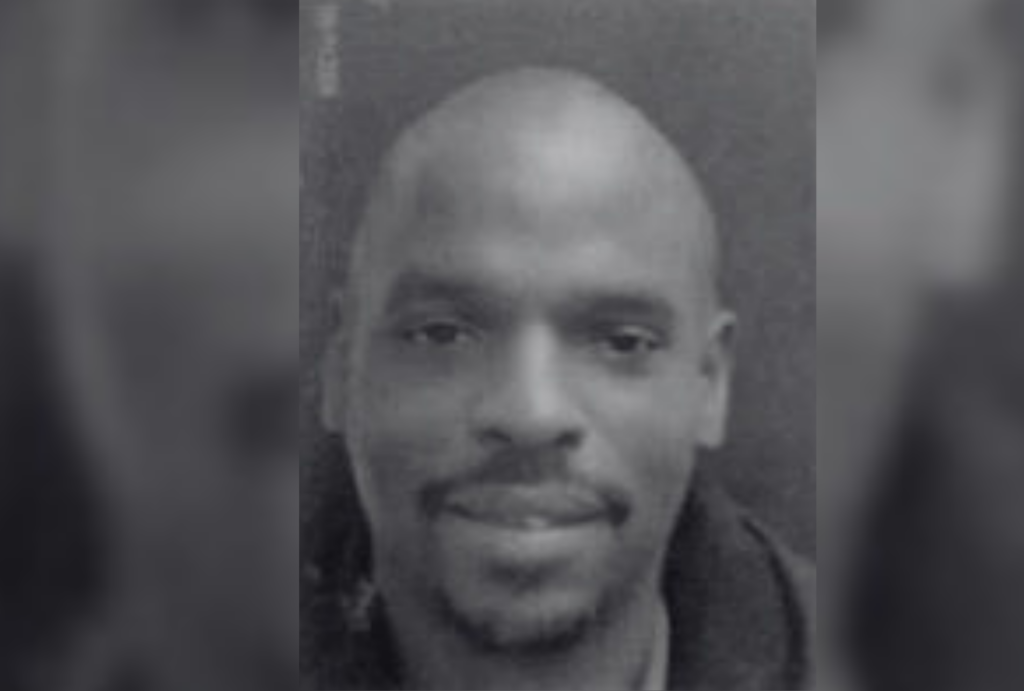
It’s with deep sadness that we share the passing of our client, Rogrick Van Dyke, who passed away at the Louisiana State Penitentiary in late February after a battle with cancer. He was 60 years old.
Mr. Van Dyke was arrested in 2009 and had been serving a life sentence following his 2011 conviction in a Calcasieu Parish homicide case. But medical evidence in his case shows that he was convicted of murdering someone who appears to have died of natural causes while taking potentially dangerous weight loss drugs. Our legal team filed for post-conviction relief in 2022 and sought expedited court review as his health declined, hoping he would have the chance to present new evidence of his innocence while he was still alive. That review never came.
His death is heartbreaking on its own. That he died in prison compounds the injustice of his wrongful conviction and is a devastating example of how the inefficiencies of our postconviction litigation system can be the difference between the exoneration of an innocent person and their dying while still incarcerated and convicted. No one should die waiting for the courts to decide whether they were wrongfully convicted.
This is exactly why HB 399, the conditional release bill currently before the legislature, matters so deeply. The bill would expand the window for medical release for terminally ill patients from 60 days to 120 days from when death is expected, giving prison medical staff, families, advocates, and legal teams more time to act before it is too late.
For any person facing terminal illness behind bars, time is of the essence. It’s the difference between spending their last moments surrounded by family or separated from them. In cases like Mr. Van Dyke’s, where innocence claims remain unresolved, that delay can mean a person dies in prison before the courts ever confront the truth.
HB 399 is a necessary step toward a system that recognizes urgency and humanity for incarcerated people facing the end of life. It would not have exonerated Mr. Van Dyke, but it would have allowed him the chance to spend his final days outside of prison walls, with his loving family. Yesterday, the bill passed out of the House Administration of Criminal Justice Committee with unanimous support.
IJLA Welcomes New Board Members
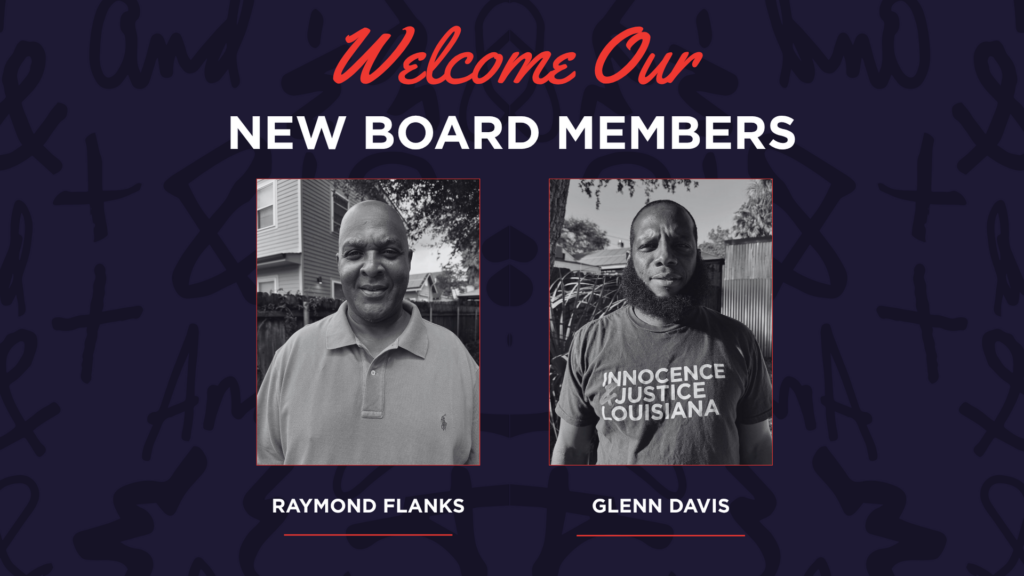
We are proud to welcome Glenn Davis and Raymond Flanks as the newest board members of Innocence & Justice Louisiana! Glenn and Raymond are exonerees and former IJLA clients. We are grateful for their willingness to use their experience of wrongful conviction to help guide our work as we continue fighting for freedom, accountability, and systemic reform.
IJLA IN THE COMMUNITY
Get Ready. Set. Geaux! 504K Run
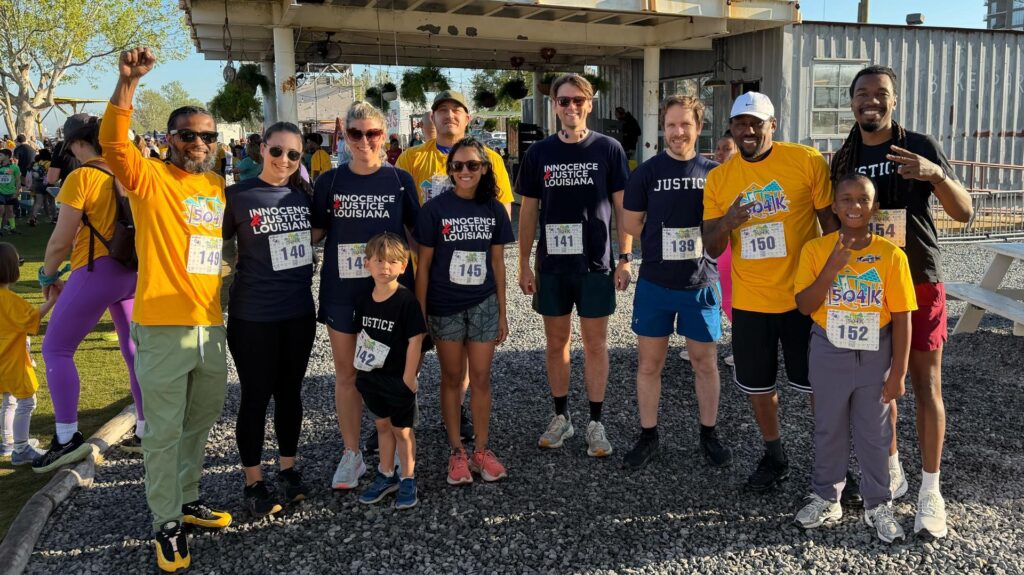
On March 25th, our clients and staff joined Youth Run NOLA (YRN) for their 13th Annual 504k Run at The Batture. This youth-centered race was filled with community spirit, sunshine and plenty of smiles (annndddd a few sore muscles!)
YRN provides opportunities for young people in our area to develop healthier lifestyles and foster a more interconnected community through distance running. IJLA is proud to support and connect with local organizations that strive to improve Louisiana.
IJLA Engages in Panel Discussions Regarding Brady Violations
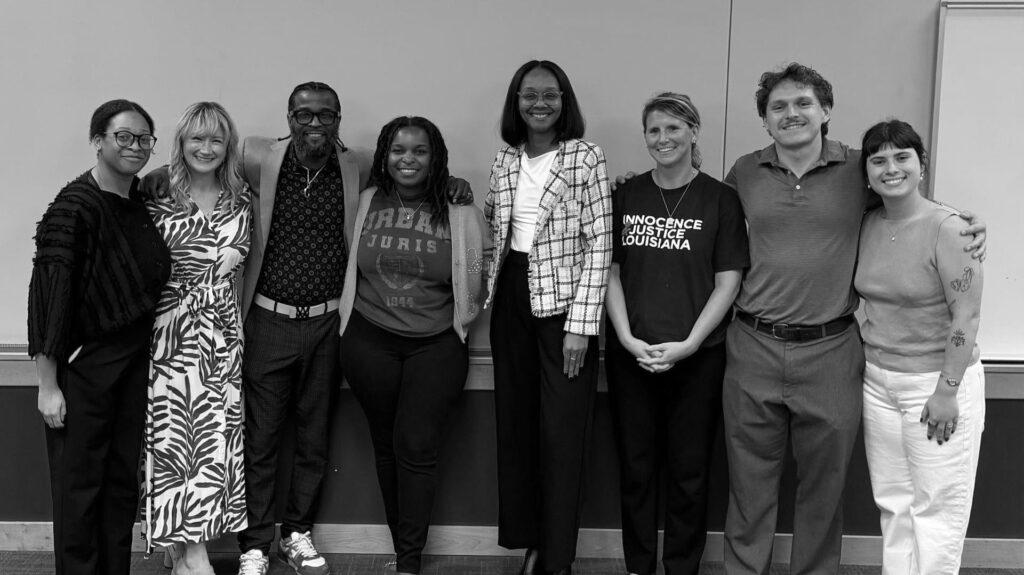
Throughout March, our Peer Mentor Jerome Morgan, alongside Staff Attorneys Zac Crawford, Caitlin Newswanger, and Elena Malik, collaborated with the Promise of Justice Initiative to host in-depth discussions on Brady violations, how they happen, and how they harm people in the criminal legal system.
These powerful conversations were held with law students at Loyola University New Orleans, Southern University, and Tulane University, alongside partners from The Juror Project and Orleans Public Defenders.
In Brady v. Maryland (1963), the United States Supreme Court made clear that suppressing evidence favorable to the defense violates due process. Yet decades later, Brady violations remain one of the clearest pathways to wrongful conviction.
In Louisiana, where incarceration rates remain among the highest in the world, withheld evidence has played a devastating role in stealing years, and sometimes decades, from innocent people. We are proud to be educating the next generation of lawyers about how to fight state misconduct.
EVENT RECAP
IJLA IN NEW YORK CITY
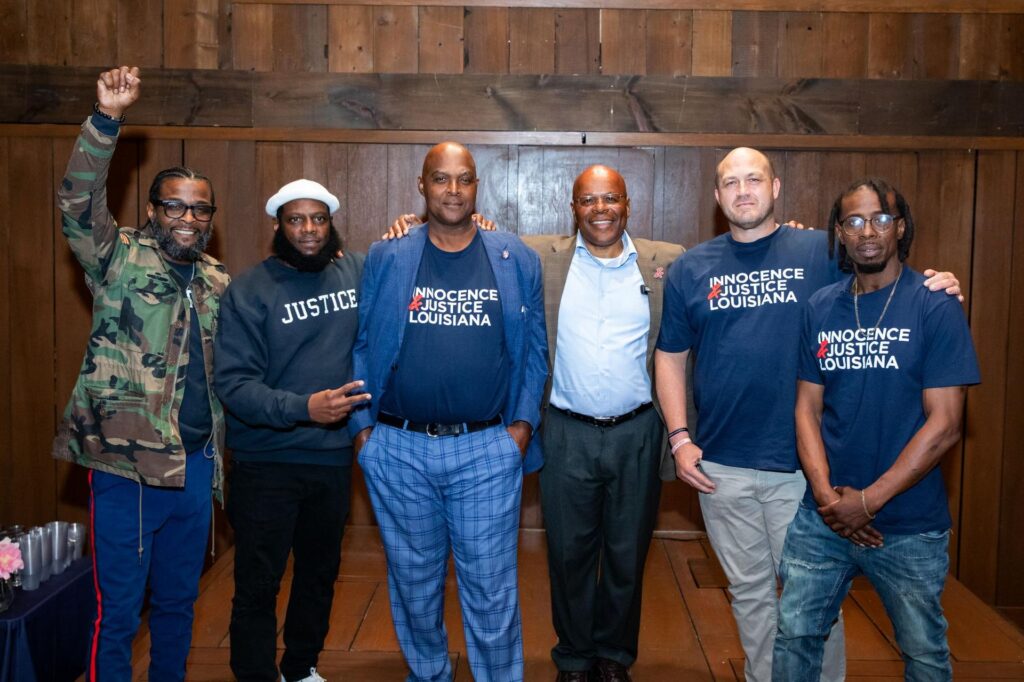
On March 16, IJLA clients and staff traveled to New York City, where we hosted nearly 100 New Yorkers for an evening of conversations at Classic Stage Company, centered on stories of perseverance from the incarceration capital of the world.
The evening featured firsthand reflections from clients who survived wrongful conviction and unjust punishment, including Jerome Morgan’s powerful evocation of Angola, which New Yorkers were shocked to hear is bigger than Manhattan, and moving testimony from Cefus Jenkins and Ricky Tisdale about their journeys to and through prison. You can see Ricky’s remarks here.
Another highlight of the evening was the dynamic conversation between Freedom Reads founder Dwayne Betts and former IJLA client Calvin Duncan, exoneree and author of The Jailhouse Lawyer, as they reflected on Duncan’s more than 28 years of wrongful incarceration and his enduring commitment to fighting for the freedom of others.
We are grateful for the opportunity to bring our clients’ stories to an audience so far from Louisiana. It was a powerful and moving evening.