Alyssa Curtis / WWL Louisiana
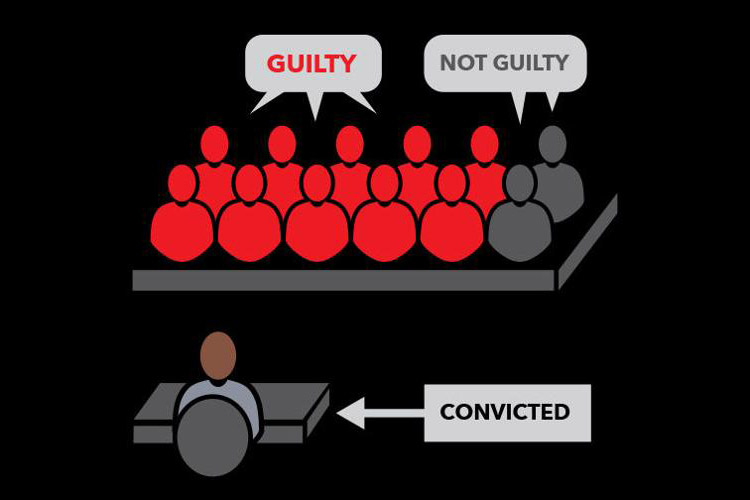
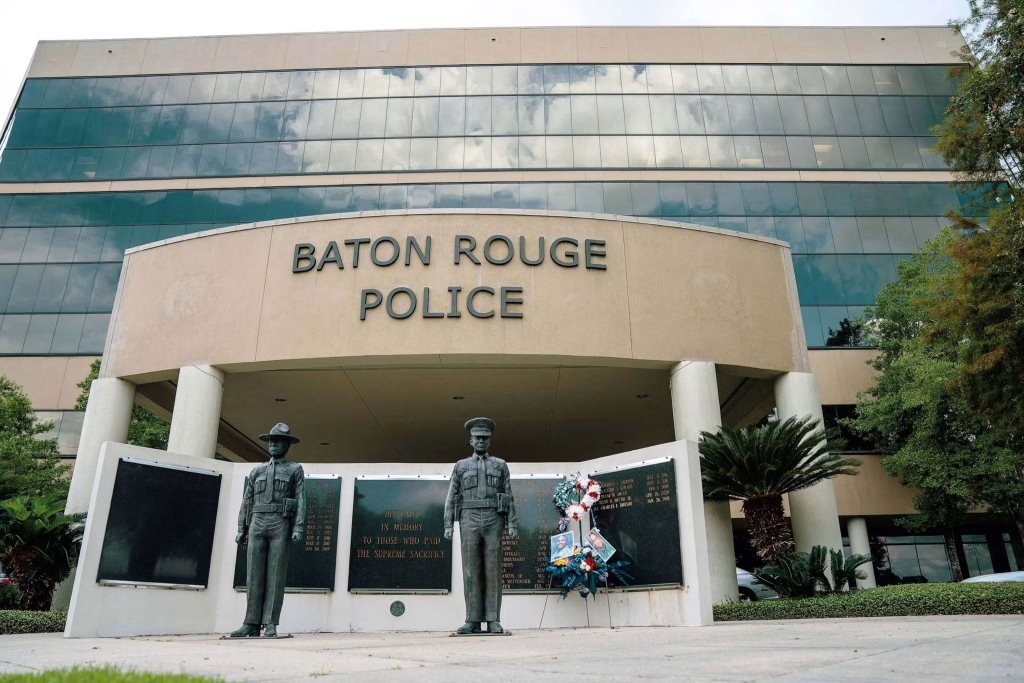
BATON ROUGE, La. — Inside the walls of the Innocence Project New Orleans (IPNO), photos line the hallways—images of men and women finally embracing loved ones after years of wrongful imprisonment. Over the past 24 years, the nonprofit has helped free or exonerate 75 people.
But Executive Director Jee Park is sounding the alarm over a new bill making its way through the Louisiana state legislature—one that she says could prevent future success stories from starting.
“Louisiana unfortunately leads the nation in the rate of incarceration, and we also lead the country in the rate of exonerations,” Park said. “[The bill] is shutting the doors of the courts to people who need it the most.”
House Bill 572, introduced by Representative Brian Glorioso, is the legislation in question. It proposes significant changes to the state’s post-conviction relief (PCR) system, the legal avenue that allows incarcerated individuals to challenge their convictions after the standard appeals process.
Currently, individuals have two years from the date of their conviction to file for PCR. HB 572 would cut that timeline in half to just one year.
Louisiana Attorney General Liz Murrill supports the bill, arguing that the current system is ripe for delay.
“States are not constitutionally required to provide post-conviction relief. Where it is offered, it’s a procedure that is purely offered as a matter of legislative grace and offers states additional deference under federal habeas law for reasoned decisions. PCR procedures have long been abused. The timelines for action on initial PCR petitions have been drawn out for decades in some cases by using “shell” petitions then amending them over and over again to avoid time limits. This abuse of PCR has gone on too long. Victims of crime deserve finality, but our system does not provide it. It needs to be reformed, and this bill comprehensively reforms the system. The delays also do not serve a criminal defendant’s interest either because legitimate claims falter from inaction, forgotten on district court dockets for years.” Murrill said in a statement.
The bill would also give the Attorney General’s Office automatic jurisdiction over death penalty PCR cases, which Murrill says is a move toward long-overdue justice. It could also shorten the timeline between conviction and execution.
Watch the segment here.